Understanding Air Conditioning Options in Calgary
As the temperature rises in Calgary during the summer months, having an efficient air conditioning system becomes essential for maintaining comfort in your home. When considering an Air Conditioner Install Calgary, it's crucial to explore the various options available in the market, the energy efficiency of different models, and the ideal size for your living space. This detailed guide will provide you with the necessary insights to make an informed decision regarding your cooling needs.
Types of Air Conditioners Available
In Calgary, homeowners have several options when it comes to air conditioning units. The most common types include:
- Central Air Conditioners: These units offer whole-house cooling by distributing cool air through a system of ducts. Ideal for larger homes.
- Split-System Air Conditioners: Comprising an outdoor compressor and indoor air handling unit, these are great for homes without existing ductwork.
- Window Air Conditioners: A cost-effective option for smaller spaces, these units are mounted in windows and are easy to install and remove.
- Portable Air Conditioners: Suitable for renters or those seeking flexibility, these units can be moved from room to room as needed.
Energy Efficiency Ratings Explained
Understanding energy efficiency is crucial when selecting an air conditioner. Look for the Seasonal Energy Efficiency Ratio (SEER) rating, which measures cooling output divided by energy consumption during the cooling season. Higher SEER ratings indicate better efficiency. In Calgary's climate, where summers can be hot, investing in a unit with a high SEER rating could save you money on energy bills over time.
Choosing the Right Size for Your Home
Selecting the appropriately sized air conditioning unit is paramount to ensure optimal performance and energy efficiency. An undersized unit may struggle to cool your space, leading to increased energy costs, while an oversized unit can cool too quickly, resulting in inadequate humidity removal. Use the British Thermal Units (BTUs) measurement to help determine the right size for your home based on square footage.
Key Considerations for Air Conditioner Installations
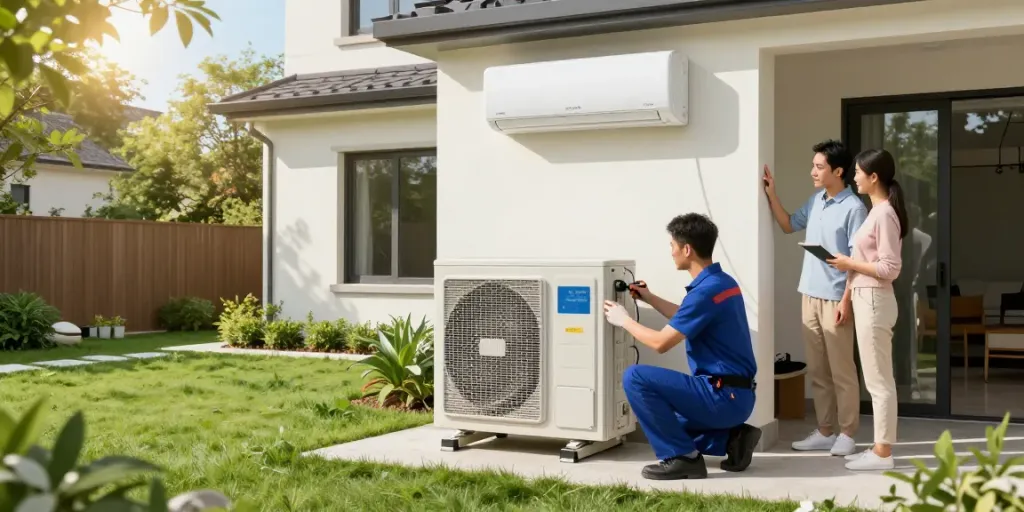
Once you've selected the right type and size of air conditioner, the next step is to consider the installation process. Several factors come into play that can impact installation.
Costs Involved in Installation
Installation costs can vary significantly based on the type of unit and complexity of the installation. On average, homeowners in Calgary can expect to pay between $3,000 and $7,000 for a new air conditioning system, including installation. It's advisable to obtain quotes from multiple service providers to ensure you get the best deal.
Permits and Regulations in Calgary
Before installation, it's essential to be aware of local regulations and permit requirements in Calgary. Many municipalities require permits for air conditioning installations to ensure compliance with building codes. Check with the City of Calgary's website or consult your installer to ensure your project meets all necessary legal requirements.
Finding a Qualified Installer
Choosing a qualified installer is vital for ensuring your air conditioning system functions efficiently and safely. Look for technicians who are certified by organizations such as the Heating, Refrigeration and Air Conditioning Institute of Canada (HRAI) or the Canadian Standards Association (CSA). Reading reviews and seeking recommendations can help you find a reputable installer in your area.
Best Practices for Maintaining Your Air Conditioner
Proper maintenance of your air conditioning unit is crucial for extending its lifespan and ensuring efficient operation. Following a few best practices can help you get the most out of your investment.
Seasonal Maintenance Tips
Regular maintenance should be performed at least once a year, ideally before the cooling season begins. Tasks include:
- Cleaning or replacing air filters to improve air quality and efficiency.
- Checking refrigerant levels and inspecting the system for leaks.
- Cleaning the condenser coils to enhance heat exchange.
Signs Your Unit Needs Repair
Be vigilant for signs that your air conditioner may be malfunctioning. Common indicators include:
- A continual rise in energy bills without an increase in usage.
- Insufficient cooling or uneven temperature distribution.
- Odd noises or unpleasant odors emanating from the unit.
Extending the Lifespan of Your AC Unit
To maximize the lifespan of your air conditioner, consider the following tips:
- Invest in a programmable thermostat to better regulate temperatures.
- Ensure proper insulation in your home to prevent heat gain.
- Schedule regular professional inspections and tune-ups.
Addressing Common Misconceptions about Air Conditioning
Many myths circulate around air conditioning systems that can mislead potential buyers. Understanding the truth behind these misconceptions can help you make better decisions.
Myths About Air Conditioning Costs
A common belief is that air conditioning is overly expensive to operate. While larger units may consume substantial energy, advancements in technology have led to more efficient models that can significantly reduce operational costs. Additionally, investing in regular maintenance can prevent unexpected repair costs.
Understanding HVAC Systems
Many homeowners confuse air conditioning with HVAC (Heating, Ventilation, and Air Conditioning) systems. While air conditioning is a crucial component, an HVAC system encompasses the entire heating and cooling service, including air filtration and humidity control.
The Role of Filters in Efficiency
Air filters play a vital role in the efficiency of your air conditioning system. High-efficiency filters can trap smaller particles, enhancing air quality and system performance. Ensure you choose the right filter type for your unit and replace it regularly.
Future Trends in Air Conditioning for 2026 and Beyond
The air conditioning industry is evolving rapidly, with innovations set to influence how we cool our homes in the future. Here are some trends to watch for in the coming years.
Smart Technology Integration in HVAC
Smart thermostats and home automation systems will likely become standard in air conditioning units. These technologies enable homeowners to control their cooling systems remotely, improving energy efficiency and comfort.
Innovations in Energy Efficiency
As environmental concerns continue to rise, manufacturers are focusing on creating air conditioning units that utilize eco-friendly refrigerants and advanced energy-saving technologies. Look for units that comply with new energy efficiency standards.
Predictions for Calgary's Climate Impact on Cooling Needs
With climate change affecting weather patterns, Calgary may experience more prolonged periods of heat in the coming years. This shift could increase the demand for air conditioning systems and influence the types of units homeowners choose.
In conclusion, understanding your options and what to consider when installing an air conditioner in Calgary can help ensure your home stays comfortable during the warm months. For more information, Air Conditioner Install Calgary offers valuable insights. By focusing on energy efficiency, proper maintenance, and emerging technologies, you can enhance your cooling experience while being mindful of your energy consumption.