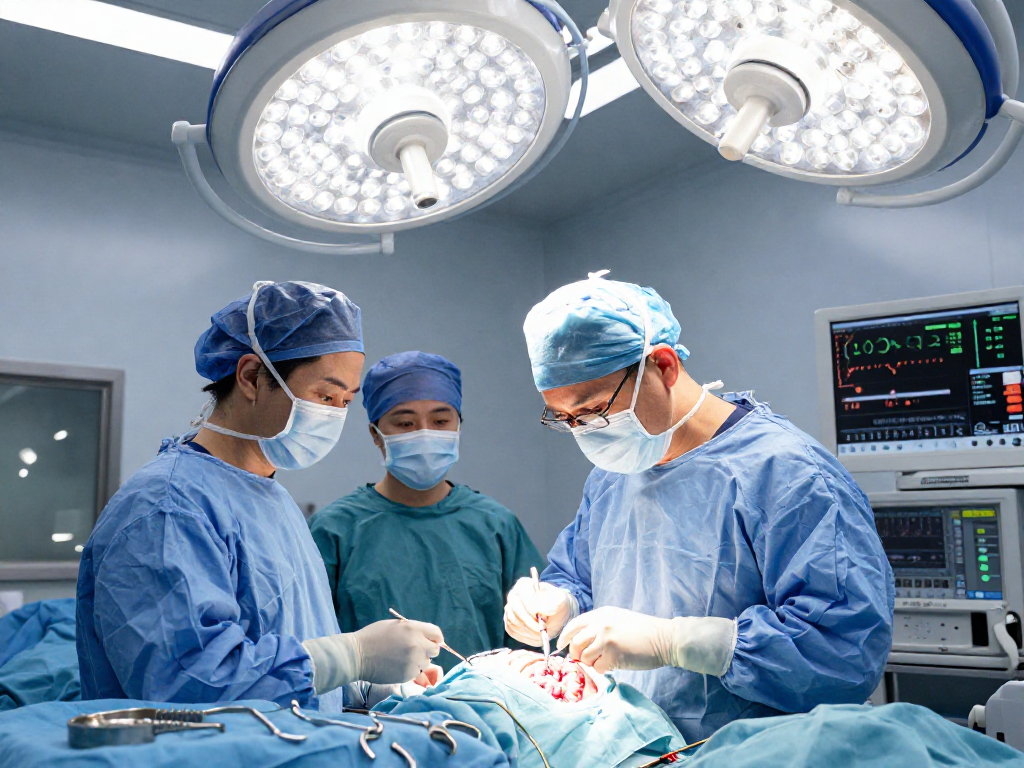
Understanding Brain Tumor Surgery
Brain tumor surgery is a critical intervention aimed at removing tumors from the brain, and it plays a pivotal role in the treatment of both benign and malignant tumors. The complexity of the brain’s anatomy requires careful planning and execution in surgical procedures, often utilizing advanced technologies and techniques. As more patients seek clarity on what this surgical journey entails, understanding the various aspects of brain tumor surgery has never been more essential. From the types of tumors involved to the perioperative care and long-term outcomes, this guide will break down everything you need to know about beyin tümörü ameliyatı.
What is Brain Tumor Surgery?
Brain tumor surgery involves surgical methods to remove tumors located in the brain or surrounding tissues. Depending on the tumor's type, size, location, and the patient’s overall neurological health, different approaches are adopted. The primary goal of the surgery is to eliminate the tumor while preserving as much healthy brain tissue as possible.
Types of Brain Tumors Involved
Brain tumors can be categorized into primary and secondary types. Primary brain tumors originate in the brain, while secondary tumors are metastatic, meaning they arise from cancer that has spread from other parts of the body. Common types of primary brain tumors include:
- Meningiomas: Typically benign and arising from the meninges, the protective membranes surrounding the brain.
- Gliomas: Including glioblastomas, these tumors arise from glial cells and can be aggressive.
- Acoustic neuromas: These benign tumors affect the vestibulocochlear nerve.
Why Surgery is Essential for Treatment
Surgery is often the first line of treatment for brain tumors, particularly when tumors are accessible and causing symptoms. Removing the tumor can alleviate symptoms such as pressure on surrounding neural structures, headaches, seizures, and cognitive dysfunction. Furthermore, an accurate diagnosis through the surgical specimen is vital for determining any further treatment options.
Pre-Surgery Preparations
Before undergoing brain surgery, a series of preparatory steps are essential to ensure the patient is ready for the procedure. This includes thorough evaluations and diagnostics.
Initial Diagnoses and Testing
Diagnosis often begins with imaging studies like MRI or CT scans. These images help determine the tumor’s size, location, and type, which are critical for planning the surgical approach. Patients may also undergo a neurological evaluation and other tests to assess their overall health and any potential risks associated with the surgery.
Evaluating Risks and Benefits
Understanding the potential risks and benefits of brain tumor surgery is a crucial step. Every surgical procedure carries risks, including infection, bleeding, and neurological deficits. It’s important for patients to have an open discussion with their surgical team about these risks in the context of potential benefits which may include symptom relief and improved quality of life.
Setting Expectations for Surgery
Patients should have realistic expectations about the surgery’s process, recovery time, and possible outcomes. Surgery for brain tumors can vary in complexity and length; some may require a few hours, while others might take much longer. Knowing what to expect can greatly alleviate pre-surgery anxiety.
The Surgery Process Explained
The surgical process for brain tumors encompasses several key phases, each requiring careful execution and coordination among diverse medical professionals.
Steps Involved in the Procedure
During surgery, the patient is placed under anesthesia, and the surgeon makes an incision to access the tumor. Depending on the tumor's location, a craniotomy (opening of the skull) may be required. Once the tumor is accessed, advanced techniques are employed for its safe removal while minimizing damage to healthy brain tissue.
Technologies Used in Modern Surgery
Modern brain tumor surgeries utilize various advanced technologies. Nerve monitoring, intraoperative MRI, and neuronavigation systems assist surgeons in accurately locating and preserving critical brain structures during the procedure. These technologies have significantly improved surgical outcomes and reduced complications.
Understanding Anesthesia and Patient Monitoring
Patients are under general anesthesia during the surgery, with continuous monitoring of vital signs by anesthesiologists. The anesthesia team ensures that the patient remains stable throughout the procedure, adjusting medication levels as necessary based on the surgical team's requirements and the patient's physiological responses.
Post-Surgery Recovery and Care
The recovery phase following brain tumor surgery is crucial for optimizing healing and minimizing complications. This stage involves careful monitoring as patients transition back to normal life.
What to Expect After the Operation
Post-operative recovery can vary based on individual circumstances, including the type of tumor removed and the surgical technique used. Patients may experience temporary side effects such as headaches, fatigue, and nausea. Most patients stay in the hospital for a few days for monitoring before being discharged.
Managing Pain and Other Symptoms
Managing post-operative pain is an essential aspect of recovery. Physicians typically prescribe medications to alleviate pain and prevent infection. Adherence to medication schedules and attending follow-up appointments helps in monitoring the surgical site for any problematic symptoms.
Follow-Up Care and Monitoring
Regular follow-up appointments are necessary to monitor for any recurrence of the tumor and assess recovery. MRI scans may be performed periodically to ensure no new growths appear and that the surgical site is healing properly.
Long-Term Outlook and Prognosis
The prognosis for patients following brain tumor surgery depends on various factors, including tumor type, size, grade, and the extent of removal achieved during surgery.
Understanding Potential Complications
While many patients experience significant improvements in symptoms post-surgery, some may face complications such as seizures, cognitive changes, or neurological deficits. Understanding these potential complications helps patients prepare for long-term outcomes.
Factors Influencing Recovery Success
Prognosis is influenced by several elements, including the tumor's pathology, the surgical technique employed, and the patient’s overall health. Early intervention and comprehensive post-operative care significantly enhance recovery chances.
Innovations and Future Trends in Treatment
Research in neuro-oncology is ongoing, with innovations such as targeted therapies and immunotherapies showing promise in enhancing outcomes for brain tumor patients. These developments may lead to improved survival rates and quality of life for individuals diagnosed with brain tumors in the future.
What are the common questions regarding brain tumor surgery?
Patients often have numerous questions, including the type of anesthesia used, the duration of surgery, recovery expectations, and how the surgery will impact their daily lives. Addressing these concerns upfront can help ease anxiety and build trust in the healthcare team.
How does brain tumor surgery impact quality of life?
Brain tumor surgery can significantly improve the quality of life by alleviating symptoms that hinder daily activities. Successful removal may lead to enhanced cognitive function and overall well-being, depending on individual circumstances.
What should I know about brain tumor surgery costs?
Understanding the costs associated with brain tumor surgery is essential. Costs can vary widely based on the facility, complexity of the procedure, and post-operative care. It's advisable to verify insurance coverage and discuss potential financial assistance options.
How can I prepare mentally for brain tumor surgery?
Mental preparation for surgery involves acknowledging emotions such as fear or anxiety while seeking support from healthcare providers, family, and friends. Engaging in relaxation techniques or counseling may also be beneficial in promoting a positive mindset before surgery.
What are the latest advancements in brain tumor surgery techniques?
Recent advancements in surgical techniques, such as minimally invasive approaches and robotic-assisted surgery, continue to enhance the precision and effectiveness of brain tumor surgeries, reducing recovery times and improving outcomes.. Additionally, beyin tümörü ameliyatı provides further details.