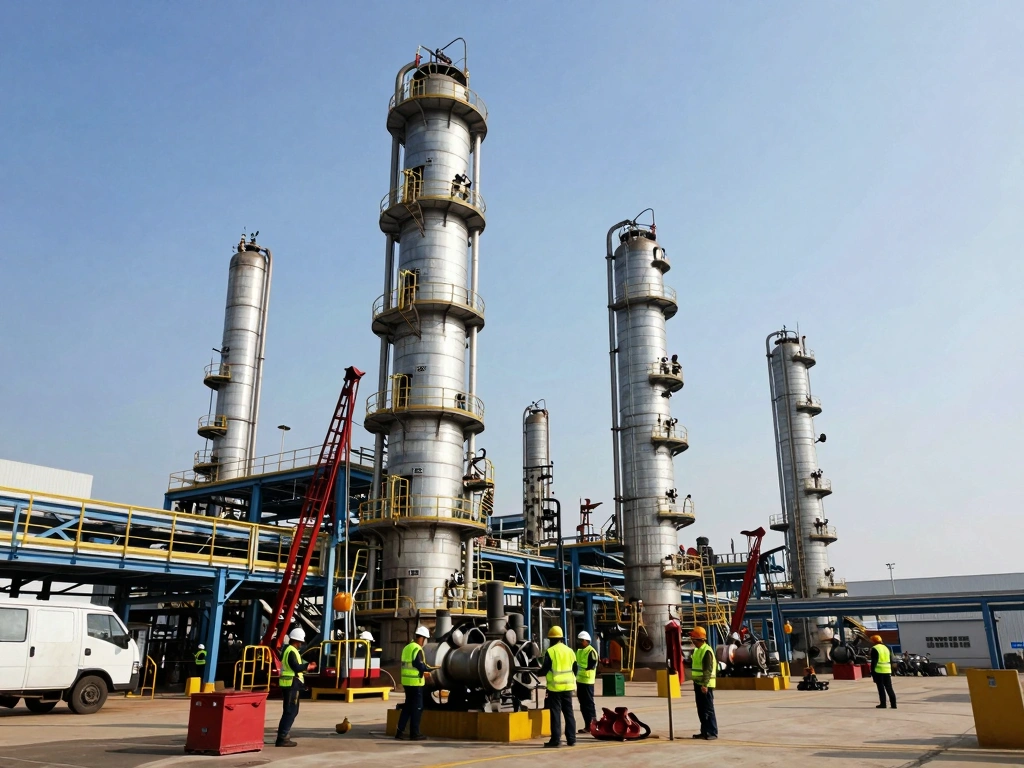
Understanding Workers Comp Reduction Construction
In the construction industry, managing risks and reducing expenses is critical for maintaining profitability and efficiency. One of the most significant costs that contractors face is workers' compensation insurance. This cost can be streamlined through a targeted workers comp reduction construction strategy that not only protects employees but also makes financial sense for the business.
Importance of Workers Comp in Construction
Workers' compensation insurance is designed to provide medical benefits and wage replacement to employees injured in the course of their work. In construction, where physical labor and hazardous work conditions are prevalent, this coverage is not merely a legal requirement; it serves as a safety net that ensures workers receive necessary care without the burden of financial stress. For construction companies, maintaining a robust workers' compensation program can lead to substantial long-term savings through lower premiums, reduced claims, and increased employee morale.
Common Challenges in Reducing Workers Comp Costs
Despite its importance, many construction companies struggle with high workers' comp costs due to several common challenges:
- High Risk of Injuries: The construction sector is notorious for its high injury rates, which can lead to frequent and costly claims.
- Inadequate Safety Programs: Companies without comprehensive safety protocols often face higher premiums and claim amounts.
- Claims Mismanagement: Poorly managed claims can escalate costs and create prolonged disputes.
- Lack of Employee Training: Employees who are untrained in safety are more likely to get injured, resulting in claims.
Key Components of a Reduction Strategy
To effectively reduce workers' comp costs in construction, businesses should implement a multifaceted strategy that includes:
- Regular Training: Equip employees with the knowledge they need to avoid accidents.
- Proactive Safety Audits: Frequent inspections help identify hazards before they lead to injuries.
- Effective Claims Management: Streamlining the claims process facilitates quicker resolution and reduces costs.
- Engagement Initiatives: Encourage employee involvement in safety discussions and policy creation to foster a culture of safety.
Developing a Comprehensive Safety Program
Creating a culture centered around safety is invaluable for reducing workers' comp costs. A comprehensive safety program not only prevents injuries but also has a direct correlation with lower insurance premiums and increased productivity.
Essential Elements of Safety Protocols
Every effective safety program should include clear, easily understandable safety protocols. Elements to consider include:
- Clear Guidelines: Define safety rules for each job site and ensure all workers are aware of these guidelines.
- Onboarding Safety Training: Require all new hires to undergo safety training before beginning work.
- A Safety Manual: Provide a concise manual that outlines safety protocols, emergency contacts, and injury reporting procedures.
Training and Education for Workers
Ongoing education is crucial for maintaining a safe work environment. Training should cover:
- Proper Equipment Use: Teach employees how to use tools and equipment safely to minimize risk.
- Hazard Recognition: Empower workers to identify potential hazards and report them immediately.
- Emergency Response: Implement training that prepares workers to act effectively in case of emergencies.
Regular Safety Audits and Assessments
Conducting safety audits and assessments should be a routine part of construction operations. This includes:
- Weekly Check-Ins: Conduct weekly safety checks to ensure compliance with safety standards.
- Monthly Assessments: More thorough inspections should occur monthly to evaluate hazards and the effectiveness of current protocols.
- Incident Reporting Analysis: Analyze past incidents to determine areas for improvement and update safety procedures accordingly.
Implementing Risk Management Techniques
Underpinning every workers' comp reduction strategy is a commitment to effective risk management. Identifying hazards and preparing for emergencies are crucial steps in safeguarding workers.
Identifying Potential Hazards on Job Sites
Successful risk management begins with identifying potential hazards. Techniques include:
- Site Inspections: Regularly inspect job sites for hazards such as exposed wiring, slippery surfaces, and unguarded machinery.
- Job Hazard Analysis (JHA): Perform JHA before starting new projects to ensure every potential risk is evaluated.
- Employee Feedback: Encourage workers to report hazards they encounter, developing a collaborative safety environment.
Creating Emergency Response Plans
Preparation for emergencies can significantly reduce the severity of accidents. The following should be addressed:
- Clear Protocols: Develop emergency response protocols for common scenarios such as fires, falls, or chemical spills.
- Regular Drills: Conduct drills to ensure employee readiness and familiarity with response procedures.
- Designated Roles: Assign specific roles to employees in emergency situations to streamline responses and reduce confusion.
Using Technology for Risk Monitoring
Technology plays a critical role in modern risk management strategies. Utilize the following tools:
- Wearable Technology: Devices that monitor vitals can alert management to unsafe conditions.
- Mobile Inspection Apps: Use apps that allow for quick documentation of safety checks and hazards while on-site.
- Drones: Incorporate drones to safely inspect hazardous areas without putting workers at risk.
Leveraging Insurance Options for Cost Reduction
Beyond safety protocols, companies can strategically approach their workers' compensation policies to maximize savings and minimize risks.
Finding Suitable Policies for Construction
Understanding your business's unique needs is fundamental when selecting insurance policies:
- Tailored Coverage: Work with insurers that specialize in construction to ensure the policies cater to specific risks in your projects.
- Comparative Shopping: Obtain quotes from multiple insurers and compare coverage limits and exclusions carefully.
- Bundling Options: Explore bundling policies for potential discounts and added convenience.
Negotiating Better Insurance Rates
Negotiation can yield better insurance rates and terms. Consider the following approaches:
- Claims History Review: Present a clean claims history to insurers to negotiate lower rates successfully.
- Involve an Expert: Hiring an insurance broker familiar with construction can leverage their knowledge in negotiations.
- Ask for Discounts: Inquire about available discounts based on safety measures, training programs, and employee retention.
Understanding Claims Management Processes
Managing claims effectively can mitigate costs significantly. Key strategies include:
- Timely Reporting: Encourage immediate reporting of accidents to ensure prompt investigation and resolution.
- Consistent Communication: Maintain open lines of communication between all parties involved in a claim to facilitate understanding and treatment progression.
- Utilizing a Claims Management System: Software that tracks claims can identify trends, potential fraudulent claims, and areas for improvement.
Monitoring Success and Continuous Improvement
Reducing workers' comp costs is not a one-time effort but a continuous journey. Establishing effective monitoring systems will allow construction companies to evaluate their performance and make necessary adjustments.
Establishing Metrics for Performance Evaluation
Measuring the success of a workers' compensation strategy requires clear performance indicators:
- Injury Rates: Track the frequency of accidents and compare them year over year.
- Claim Costs: Monitor the average costs of claims and strive to reduce them over time.
- Employee Feedback: Regularly solicit feedback from employees regarding safety measures and incorporate suggestions where feasible.
Adjusting Strategies Based on Results
Once performance is measured, adjustments should be made based on findings:
- Implement Changes: Modify safety protocols and training programs based on injury trends and feedback.
- Invest in New Technology: Explore new tools that can further reduce risks.
- Annual Reviews: Conduct comprehensive annual reviews to refine strategies based on accumulated data.
Engaging Workers in Safety Improvements
A culture of safety is best cultivated through worker involvement and engagement:
- Safety Committees: Form safety committees that include workers from various levels to promote inclusive safety discussions.
- Recognition Programs: Acknowledge and reward employees who actively promote safety on job sites.
- Surveys and Input Sessions: Regularly gather employee input on safety initiatives and make adjustments when needed.
Frequently Asked Questions
What is workers' compensation insurance?
Workers' compensation insurance provides medical care and compensation for employees injured on the job, covering medical costs and lost wages.
How can I reduce my construction workers' comp costs?
Reducing your costs involves implementing comprehensive safety programs, regular training, effective claims management, and leveraging competitive insurance options.
What are the common types of injuries in the construction industry?
Common injuries include falls, being struck by objects, electrocutions, and repetitive strain injuries due to heavy lifting.
How often should I conduct safety audits?
Safety audits should be conducted regularly—ideally weekly for informal checks and monthly for comprehensive assessments.
What is the benefit of employee engagement in safety programs?
Engaging employees in safety efforts fosters ownership and accountability, leading to a safer work environment and ultimately reducing claims.