What is DMSO Organic?
Definition and Composition
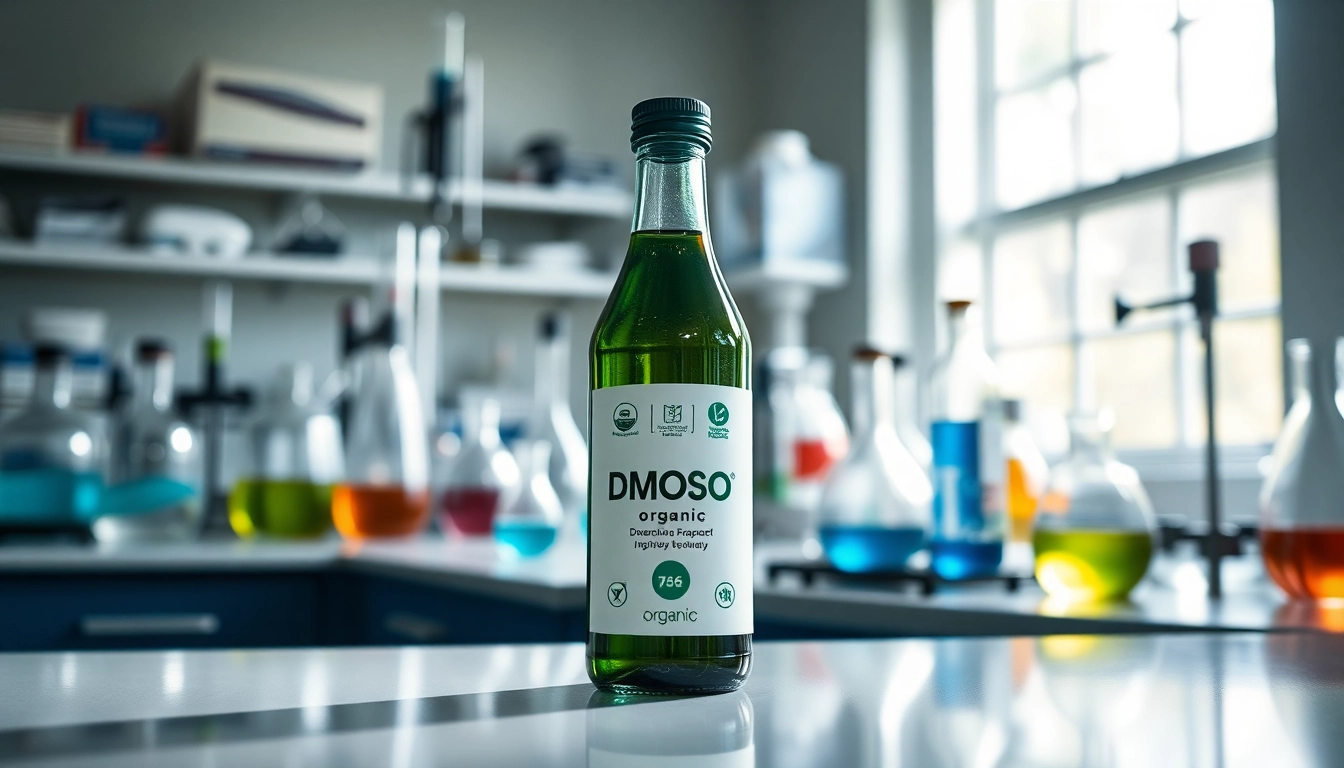
DMSO, or dimethyl sulfoxide, is a colorless, organic solvent that is derived from lignin, a natural polymer found in the cell walls of trees. It has the chemical formula (CH₃)₂SO and is well-known for its remarkable ability to penetrate biological membranes. This property makes DMSO a widely used substance in various medical and industrial applications. As an organic compound, DMSO is recognized for its safety profile and efficacy, especially when sourced from reputable suppliers as dmso organic.
Origin and Extraction Process
The extraction of DMSO begins with the breakdown of lignin, which occurs during the pulping process in the production of paper. This process involves treating lignin with water under heat and pressure, resulting in the formation of DMSO as one of the by-products. Given its natural origins and extraction methodology, DMSO qualifies as organic, further enhancing its appeal as a therapeutic agent and solvent.
Properties and Applications
DMSO is a highly polar compound that offers unique characteristics, including a high viscosity and a low freezing point. It is miscible with both polar and non-polar solvents, making it versatile for various applications, from pharmaceuticals to industrial processes. DMSO is commonly used as a solvent for chemical reactions and as a medium for transporting drugs within the body due to its skin-penetrating power. Additionally, it finds applications in cryopreservation and as a reagent in organic synthesis.
Health Benefits of DMSO Organic
Anti-inflammatory Properties
One of the most significant health benefits of DMSO is its anti-inflammatory properties. Research has shown that DMSO can reduce inflammation and swelling, making it a valuable tool for treating conditions like arthritis and other inflammatory disorders. By inhibiting the production of pro-inflammatory cytokines, DMSO effectively alleviates pain and discomfort associated with these conditions. Its ability to rapidly penetrate the skin barrier enhances its effectiveness as a topical treatment.
Potential Pain Relief
Apart from its anti-inflammatory effects, DMSO is well-regarded for its ability to provide pain relief. It is often used in combination with other medications to enhance their effectiveness. Clinical studies suggest that patients suffering from chronic pain conditions, such as fibromyalgia or neuropathic pain, may experience significant relief when using DMSO. Its unique mechanism of action, which includes blocking pain pathways, positions DMSO as a promising alternative to traditional analgesics.
Skin Health Applications
DMSO's efficacy for skin health is evident in its use in dermatological treatments. It has been reported to assist in healing wounds, burns, and other skin injuries due to its ability to promote cellular regeneration and improve oxygen supply to the affected areas. Many individuals also use DMSO to treat skin conditions like psoriasis and eczema. When applied topically, it may facilitate the penetration of other therapeutic agents, thus enhancing their impact on skin health.
How to Use DMSO Organic Safely
Dosage Recommendations
While DMSO is generally considered safe, it is crucial to adhere to dosage guidelines to minimize the risk of side effects. Recommended doses typically range from 50% to 70% concentrations for topical applications. It’s advisable to start with a lower concentration and gradually increase it based on tolerance and the specific condition being treated. Consulting with a healthcare professional before use is highly recommended, especially for those with existing medical conditions or those taking other medications.
Possible Side Effects
Although DMSO has a favorable safety profile, some users may experience side effects such as skin irritation, a burning sensation, or a garlic-like taste due to its metabolic by-products. Additionally, individuals with skin allergies may react adversely to topical applications of DMSO. It is essential to perform a patch test prior to extensive use to assess individual sensitivity.
Interactions with Other Substances
DMSO is known to enhance the absorption of various substances through the skin, which can lead to unforeseen interactions. Therefore, caution should be exercised when using DMSO with other medications or topical agents. It is imperative to consult with a healthcare provider to understand potential interactions, especially when using DMSO in conjunction with prescription drugs or topical treatments.
Common Misconceptions About DMSO Organic
Is DMSO Organic Safe for Topical Use?
Despite the controversies surrounding its safety, many studies advocate for the safe topical application of DMSO, provided specific guidelines are followed. The use of high-purity, organic-grade DMSO significantly reduces the risk of contamination, making it safer for skin applications. However, it remains crucial to avoid using DMSO on broken skin or infections without medical advice.
Can It Be Used by Everyone?
While DMSO is beneficial for many, it may not be suitable for everyone. Pregnant or nursing women, as well as individuals with certain medical conditions, should avoid using DMSO without professional guidance. It is also not advisable for children without consultation from a healthcare provider, given the varying effects of DMSO on different age groups.
Difference Between Pharmaceutical and Industrial Grades
Understanding the distinction between pharmaceutical and industrial-grade DMSO is crucial for safe usage. Pharmaceutical-grade DMSO undergoes stringent quality control measures, ensuring its purity and safety for medical applications. In contrast, industrial-grade DMSO may contain contaminants unsuitable for human use. For therapeutic purposes, it is essential to use only high-purity, pharmaceutical-grade DMSO to minimize health risks.
Where to Buy DMSO Organic
Online Retailers
Purchasing DMSO organic products has become increasingly convenient with the rise of online retailers. Various websites offer DMSO in pharmaceutical-grade formulations, ensuring quality and integrity. Reading customer reviews, checking certifications, and ensuring suppliers provide transparent information about their products can help consumers make informed purchasing decisions.
Local Health Stores
Local health stores often carry DMSO organic products, available in various concentrations. Consulting with store personnel can provide additional insights into choosing the right formulation suitable for individual needs. Buying locally also allows consumers to assess product packaging, labeling, and expiration dates directly.
Factors to Consider When Buying
When choosing a DMSO product, consider factors such as purity, concentration, and the extraction process. Selecting products that are certified organic and free from additives ensures potency and safety. Additionally, price comparisons and checking for third-party testing can further guarantee you acquire a high-quality DMSO product suitable for your intended use.
FAQs About DMSO Organic
1. Can DMSO be used topically?
DMSO is commonly used topically for its anti-inflammatory and analgesic properties, provided it’s obtained from pharmaceutical-grade sources.
2. Are there any side effects of using DMSO?
Possible side effects include skin irritation, a garlic-like taste, and in some cases, allergic reactions. A patch test is advisable.
3. Is DMSO the same as industrial-grade?
No, industrial-grade DMSO may contain impurities unsuitable for human use, while pharmaceutical-grade is purified and safe for medical applications.
4. How should I store DMSO?
DMSO should be stored in a cool, dark place, away from heat sources and direct sunlight to maintain its effectiveness and shelf life.
5. Can DMSO interact with other medications?
Yes, DMSO can enhance absorption of other substances, potentially causing interactions. Consulting a healthcare professional is recommended.