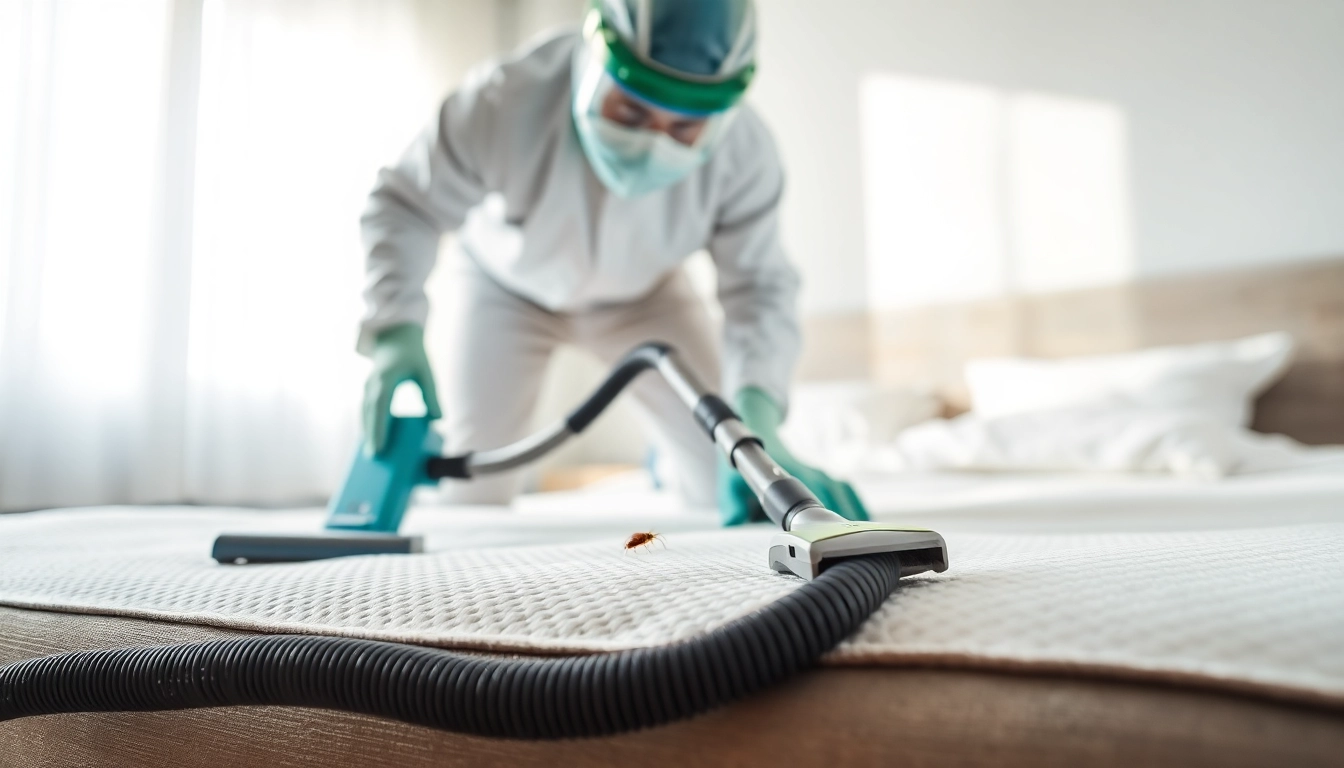
Understanding Bed Bug Control
Bed bugs have become a significant concern for homeowners across the globe, with infestations rising sharply in recent years. Safe and effective bed bug control is essential for those struggling to maintain a comfortable living environment. This article delves into the nature of bed bugs, their impact, and the methods for controlling and preventing infestations.
What are Bed Bugs?
Bed bugs are small, wingless insects that feed on the blood of humans and animals. They belong to the family Cimicidae and are nocturnal, emerging primarily at night to feed. Adult bed bugs typically measure about 5-7 mm in length and appear reddish-brown, while their eggs are tiny, about 1 mm, and are white in color. They are known for their resilience and ability to reproduce quickly, making them particularly difficult to exterminate.
Signs of Bed Bug Infestation
Detecting a bed bug infestation early is crucial for effective control. Here are common signs to watch for:
- Bites: Small, red, itchy welts on the skin, often in a line or cluster.
- Blood Stains: Tiny red or dark spots on sheets, mattresses, and furniture.
- Fecal Spots: Brown or black spots left behind as excrement on surfaces.
- Shell Casings: Shed skins that look like tiny, translucent versions of live bed bugs.
- Eggs: Tiny, white, and often located in the seams of mattresses or cracks in furniture.
Why Bed Bug Control Matters
Effective bed bug control is vital not only for your comfort but also for your health. Bed bugs can lead to various physical and psychological impacts, including:
- Allergic Reactions: Some individuals may experience severe allergic reactions to bed bug bites, requiring medical attention.
- Sleep Disturbances: The anxiety and discomfort of bed bug bites can lead to insomnia and distress.
- Secondary Infections: Scratching bites may result in skin infections.
Effective Bed Bug Control Methods
Various methods can be employed to manage and eliminate a bed bug infestation. Successful strategies often combine chemical treatments with natural remedies and integrated pest management practices.
Proven Chemical Treatments
Chemical treatments are among the most common methods for controlling bed bug populations. These include:
- Insecticides: Effective products include pyrethroids and neonicotinoids that target the nervous systems of bed bugs.
- Adulticides: These chemicals kill adult bugs on contact or through residual effects, and must be applied carefully in infested areas.
- Insect Growth Regulators (IGRs): These inhibit the growth and development of bed bug eggs and nymphs, preventing future reproduction.
It's important to follow manufacturer instructions and consider hiring a professional for application to ensure safety and efficacy.
Natural Remedies for Bed Bug Control
For those looking for eco-friendly solutions, several natural remedies may help control bed bugs, albeit often requiring a more extensive effort:
- Essential Oils: Oils such as tea tree oil, lavender oil, and peppermint oil can repel bed bugs; however, they may not eliminate them.
- Heat Treatment: Washing bedding and clothes in hot water and using a steam cleaner can kill bed bugs and their eggs.
- Diatomaceous Earth: This natural powder can kill bed bugs by dehydrating them when they come into contact with it.
Integrated Pest Management Approaches
Integrated Pest Management (IPM) emphasizes a holistic approach and combines multiple strategies for effective bed bug control. Key components include:
- Monitoring and Inspection: Regularly checking for signs of bed bugs can help identify infestations early.
- Sanitation: Keeping living areas clean and decluttered minimizes hiding spots for bed bugs.
- Education: Understanding the life cycle and habits of bed bugs helps inform prevention efforts.
Steps for Successful Bed Bug Control
Controlling a bed bug infestation involves several critical steps. Following a systematic approach can lead to successful eradication.
Inspecting Your Home
The first step in bed bug control is a thorough inspection of your home. Focus on areas where bed bugs are likely to hide, including:
- Mattresses and box springs
- Bed frames and headboards
- Couches, recliners, and upholstered furniture
- Wall cracks and baseboards
- Electrical outlets and appliances
Treatment Preparation and Execution
Once an infestation is confirmed, preparation is crucial:
- Clear the area of clutter to allow for treatment accessibility.
- Remove bedding and clothing, wash them in hot water, and dry them on high heat.
- Apply your chosen treatment method, whether it is chemical or natural, ensuring even coverage.
Post-treatment Monitoring
After treatment, vigilant monitoring is essential for ensuring that the infestation has been effectively controlled. Steps include:
- Regularly checking for new signs of bed bugs.
- Using interceptor devices placed under bed legs to catch any wandering bed bugs.
- Conducting follow-up treatments if necessary.
Preventing Future Bed Bug Infestations
Taking proactive measures is key to preventing future bed bug infestations. Here are several effective strategies:
Best Practices for Prevention
Implementing the following best practices can significantly reduce the risk of bed bug invasions:
- Regularly clean your home and maintain proper sanitation, especially in bedrooms.
- Invest in bed bug-proof mattress and box spring encasements.
- Avoid bringing second-hand furniture or clothing into your home without thorough inspection.
Travel Tips to Avoid Bed Bugs
Traveling can often expose you to new potential infestations. Consider these tips when you’re on the go:
- Inspect hotel rooms thoroughly, including bedding and furniture.
- Keep luggage off the floor and bed, utilizing luggage racks instead.
- Wash and dry your clothing at high temperatures immediately after returning home.
Creating a Bed Bug-Free Environment
Creating an environment that deters bed bugs involves maintaining cleanliness and vigilance:
- Regularly vacuum carpets and upholstered furniture.
- Seal cracks and crevices in walls and floors to minimize potential hiding spots.
- Consider hiring a pest control professional for regular inspections if bed bugs are a prevalent issue in your area.
FAQs About Bed Bug Control
1. How long does a bed bug infestation take to control?
The timeline for controlling a bed bug infestation can vary from a few weeks to several months, depending on the severity and treatment methods used.
2. Can I handle bed bug control myself?
While DIY methods are available, professional help is often recommended for severe infestations due to their complexity.
3. What are common myths about bed bugs?
Common myths include that bed bugs only inhabit dirty homes or that they can jump. They can infest any environment and cannot jump.
4. Are there safe products for bed bug control?
There are many safe, eco-friendly products available, but efficacy can vary. Consider professional guidance for the best results.
5. When should I call a professional for bed bug control?
If you notice multiple signs of bed bug infestations or if DIY methods fail, it's advisable to consult a professional pest control service.