
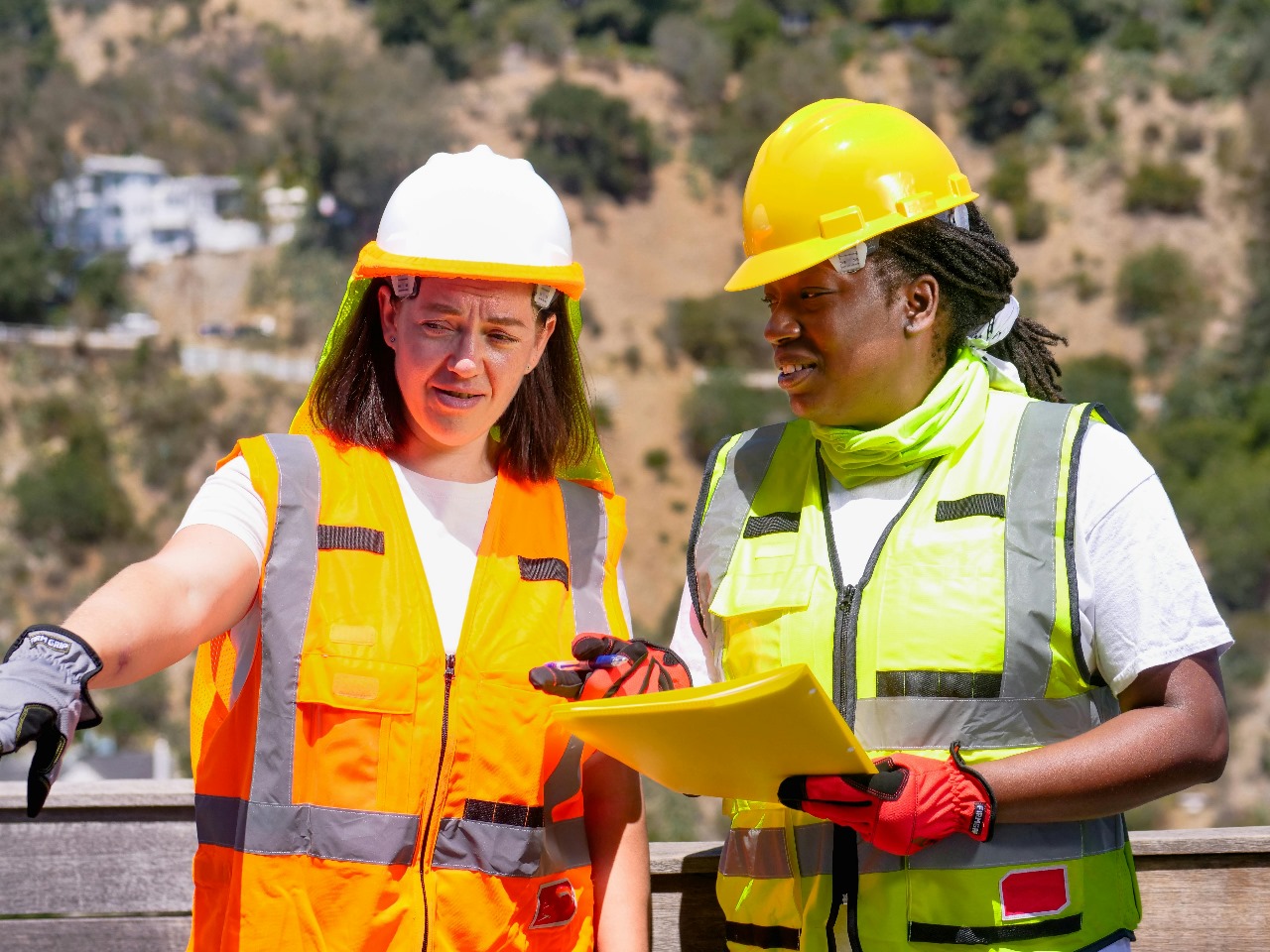
Introduction to High-Performance Construction in Modern New York
High-performance construction in today’s demanding urban environment requires precision, experience, and strategic execution, especially when guided by a New York Commercial General Contractor. In a city where timelines are tight and regulations are strict, the role of a New York Commercial General Contractor becomes central to delivering successful commercial developments that meet both functional and architectural expectations. Plescia Construction and Development, a trusted industry leader Plescia Construction and Development, exemplifies how structured planning and execution can elevate project outcomes. A New York Commercial General Contractor ensures that every phase, from concept to completion, aligns with client goals and compliance standards. The value of a New York Commercial General Contractor extends beyond coordination, influencing cost control, scheduling, and quality assurance. By integrating advanced methods, a New York Commercial General Contractor helps transform complex urban projects into efficient, high-performing structures that define New York’s commercial landscape.
Strategic Role in Urban Commercial Development
A New York Commercial General Contractor plays a critical role in shaping the skyline of one of the world’s most competitive real estate markets. In commercial development, coordination between architects, engineers, and stakeholders requires a disciplined approach that only a New York Commercial General Contractor can effectively manage. The ability of a New York Commercial General Contractor to oversee multiple moving parts ensures that each project remains aligned with design intent and regulatory requirements. In fast-paced environments like New York, a New York Commercial General Contractor must also anticipate challenges before they arise, minimizing delays and optimizing workflow. The integration of communication systems and scheduling tools further strengthens how a New York Commercial General Contractor delivers consistent results. Ultimately, the presence of a New York Commercial General Contractor ensures that commercial developments achieve both structural integrity and long-term operational value.
Planning and Pre-Construction Excellence
Successful commercial projects begin long before construction starts, and a New York Commercial General Contractor is essential during the planning and pre-construction phase. At this stage, a New York Commercial General Contractor evaluates site conditions, budget constraints, and feasibility studies to establish a strong foundation for execution. Detailed scheduling and resource allocation are key responsibilities of a New York Commercial General Contractor, ensuring that all stakeholders understand project expectations. Risk assessment is another critical function, where a New York Commercial General Contractor identifies potential challenges and develops mitigation strategies early in the process. Through collaborative planning sessions, a New York Commercial General Contractor aligns architects, engineers, and clients toward a unified project vision. This structured approach allows a New York Commercial General Contractor to reduce inefficiencies and improve overall project predictability.
Advanced Project Management and Execution Strategies
Execution is where the expertise of a New York Commercial General Contractor becomes most visible, as real-time coordination determines project success. A New York Commercial General Contractor manages labor, materials, and subcontractors with precision to maintain workflow efficiency. Strong leadership from a New York Commercial General Contractor ensures that construction milestones are met without compromising quality standards. Daily supervision and progress tracking are essential tools used by a New York Commercial General Contractor to maintain alignment with project timelines. Communication between teams is streamlined under the guidance of a New York Commercial General Contractor, reducing misunderstandings and costly rework. In complex commercial builds, a New York Commercial General Contractor adapts quickly to unforeseen changes, ensuring that project continuity is maintained. This level of control highlights why a New York Commercial General Contractor is indispensable for large-scale developments.
Safety, Compliance, and Regulatory Standards
In a highly regulated environment like New York, compliance and safety are top priorities for any New York Commercial General Contractor. Adhering to building codes, zoning laws, and safety protocols is a fundamental responsibility of a New York Commercial General Contractor. Regular inspections and documentation ensure that a New York Commercial General Contractor maintains accountability throughout the construction lifecycle. Worker safety programs implemented by a New York Commercial General Contractor help reduce risks and maintain productive job sites. Coordination with regulatory authorities is also a key function of a New York Commercial General Contractor, ensuring that all permits and approvals are properly managed. By maintaining strict compliance standards, a New York Commercial General Contractor protects both the client’s investment and the long-term integrity of the structure.
Cost Efficiency and Value Engineering
Financial optimization is another major advantage of working with a New York Commercial General Contractor, especially in large-scale commercial projects. Through value engineering, a New York Commercial General Contractor identifies cost-saving opportunities without sacrificing quality or performance. Budget management is continuously monitored by a New York Commercial General Contractor to ensure that expenditures remain aligned with financial projections. Procurement strategies developed by a New York Commercial General Contractor help secure materials at competitive rates while maintaining quality standards. A New York Commercial General Contractor also evaluates alternative construction methods to improve efficiency and reduce unnecessary costs. This focus on financial discipline allows a New York Commercial General Contractor to deliver maximum value while maintaining high construction standards.
Technology and Innovation in Modern Construction
Modern construction has evolved significantly, and a New York Commercial General Contractor must integrate technology to stay competitive. Digital project management tools enable a New York Commercial General Contractor to track progress, manage resources, and improve communication in real time. Building Information Modeling (BIM) allows a New York Commercial General Contractor to visualize projects before construction begins, reducing errors and improving accuracy. Advanced scheduling software helps a New York Commercial General Contractor optimize timelines and coordinate complex workflows efficiently. In addition, a New York Commercial General Contractor leverages data analytics to improve decision-making and enhance project outcomes. The adoption of innovative technologies ensures that a New York Commercial General Contractor remains at the forefront of modern construction practices.
Conclusion and Future Outlook in Commercial Construction
The future of commercial development in New York will continue to rely heavily on the expertise of a New York Commercial General Contractor. As urban demands grow, a New York Commercial General Contractor will play an even more important role in delivering sustainable, efficient, and high-quality structures. The integration of advanced technology, improved safety standards, and strategic planning will further enhance the capabilities of a New York Commercial General Contractor. Companies like Plescia Construction and Development will continue to demonstrate how a New York Commercial General Contractor can transform complex visions into reality through disciplined execution. Ultimately, the value of a New York Commercial General Contractor lies in its ability to unify all aspects of construction into a seamless process that delivers long-term success for clients and communities alike.