
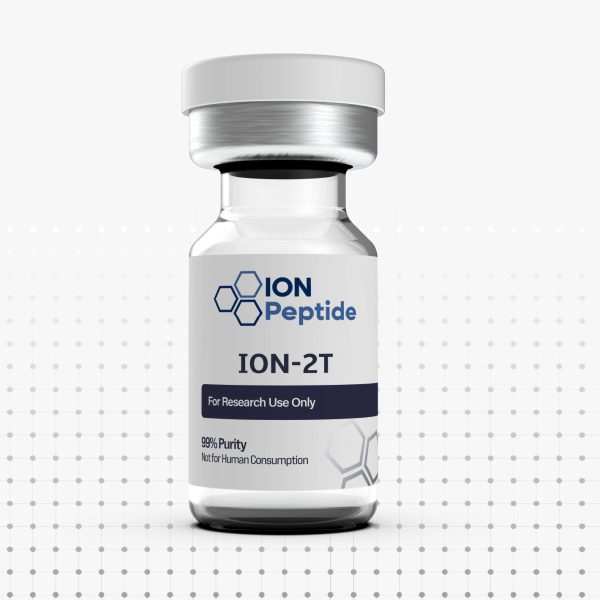
Introduction to Semax peptide in Modern Research
The Semax peptide is increasingly recognized in neuroscience and molecular biology research due to its potential relevance in studying cognitive processes, neuroprotection pathways, and brain signaling mechanisms. Within the scientific catalog of Ion Peptide, the Semax peptide is positioned as a high-purity research compound designed strictly for laboratory and experimental applications. Researchers exploring cognitive function models often integrate the Semax peptide into controlled studies to better understand neurochemical interactions and brain response mechanisms.
In experimental settings, the Semax peptide is frequently analyzed for its structural properties and possible influence on neurotrophic signaling pathways. The growing interest in the Semax peptide stems from its relevance in studying adaptive brain responses under various laboratory conditions. As a research-focused compound, the Semax peptide continues to attract attention from neuroscience laboratories aiming to expand their understanding of peptide-based modulation systems.
Overview of Semax peptide in Neuroscience Research
The Semax peptide plays a significant role in experimental neuroscience due to its reported involvement in neurochemical signaling pathways. In research environments, the Semax peptide is often evaluated for its stability, molecular interaction potential, and relevance to brain-derived studies. Scientists working with the Semax peptide aim to explore how peptide sequences may influence neurological responses in controlled models.
Research Importance of Semax peptide
The Semax peptide is valued in laboratory settings for its consistency and reproducibility in experimental protocols. Researchers investigating cognitive modeling frameworks frequently incorporate the Semax peptide to observe potential effects on neuronal activity markers. The structured analysis of the Semax peptide allows scientists to better understand peptide behavior under simulated biological conditions.
The Semax peptide also serves as a reference compound in comparative peptide research, helping scientists evaluate differences between neuroactive sequences. By studying the Semax peptide, researchers gain insight into peptide stability, transport mechanisms, and biochemical interactions within neural environments.
Molecular Characteristics and Mechanisms of Semax peptide
Understanding the Semax peptide at a molecular level is essential for interpreting its behavior in laboratory environments. The Semax peptide consists of a short amino acid sequence that is studied for its structural integrity and biochemical activity in experimental models.
Structural Composition of Semax peptide
The molecular structure of the Semax peptide is analyzed in research laboratories to determine how its sequence interacts with biological systems. Scientists examining the Semax peptide often focus on its amino acid arrangement, which may contribute to its stability and resistance to enzymatic degradation in controlled experiments.
The Semax peptide is also evaluated for its potential binding characteristics in simulated receptor studies. These molecular analyses help researchers understand how the Semax peptide behaves under varying laboratory conditions.
Mechanistic Pathways of Semax peptide
In theoretical neuroscience research, the Semax peptide is studied for its possible role in modulating neurotrophic and signaling pathways. The Semax peptide is frequently included in experimental frameworks designed to observe changes in gene expression and neuronal response models.
Researchers analyzing the Semax peptide often focus on its interaction with brain-derived neurochemical systems in vitro. These investigations help clarify the broader implications of the Semax peptide in peptide-based research models.
Applications of Semax peptide in Neuroscience Studies
The Semax peptide is widely utilized in neuroscience laboratories for experimental modeling and biochemical research. Its application is primarily focused on studying cognitive mechanisms and neuroprotective pathways under controlled conditions.
Cognitive Research Applications of Semax peptide
In cognitive science experiments, the Semax peptide is often incorporated into study designs exploring memory, learning, and attention-related mechanisms. Researchers use the Semax peptide to examine potential influences on neuronal signaling efficiency in laboratory models.
The Semax peptide is also used in comparative studies that evaluate cognitive performance markers in simulated environments. These studies help expand the understanding of how the Semax peptide may interact with neurological systems in experimental frameworks.
Neuroprotection Research with Semax peptide
The Semax peptide is frequently included in research focusing on neuronal resilience and stress response mechanisms. Scientists studying the Semax peptide analyze its potential relevance in protecting neural cells under experimentally induced stress conditions.
By integrating the Semax peptide into neurobiological studies, researchers aim to better understand how peptides may contribute to cellular adaptation processes in the brain.
Laboratory Handling and Storage of Semax peptide
Proper handling of the Semax peptide is essential for maintaining its stability in research environments. Laboratories working with the Semax peptide follow strict protocols to ensure experimental accuracy and consistency.
Storage Conditions for Semax peptide
The Semax peptide should be stored under controlled temperature conditions to preserve its molecular integrity. Researchers handling the Semax peptide ensure that it is kept in environments that minimize degradation and maintain compound purity.
The Semax peptide is typically prepared and stored in accordance with standard peptide preservation guidelines used in biochemical laboratories.
Laboratory Best Practices for Semax peptide
When working with the Semax peptide, researchers adhere to precise measurement and preparation protocols. The Semax peptide is often handled using sterile equipment to avoid contamination and ensure experimental reliability.
Proper documentation of Semax peptide usage is also essential in maintaining reproducibility across research studies.
Benefits of Semax peptide in Experimental Models
The Semax peptide offers several advantages in laboratory research due to its stability and relevance in neuroscience studies. Researchers value the Semax peptide for its consistent performance in controlled experimental settings.
Experimental Reliability of Semax peptide
One of the primary benefits of the Semax peptide is its reproducibility in research models. The Semax peptide allows scientists to conduct repeated experiments with consistent outcomes, which is essential for validating scientific hypotheses.
Versatility of Semax peptide in Research
The Semax peptide is also recognized for its versatility across multiple research domains. Whether used in neurochemical analysis or cognitive modeling, the Semax peptide provides a reliable framework for experimental exploration.
Researchers continue to explore new applications of the Semax peptide in evolving scientific studies, highlighting its ongoing relevance in laboratory research.
Safety and Research Considerations for Semax peptide
The Semax peptide is intended strictly for laboratory research and is not approved for human or clinical use outside controlled scientific studies. Researchers handling the Semax peptide must follow institutional safety guidelines and ethical research standards.
Proper laboratory procedures ensure that the Semax peptide is used responsibly in experimental environments. Scientists working with the Semax peptide are encouraged to maintain compliance with all relevant research regulations and safety protocols.
Conclusion
The Semax peptide remains an important compound in neuroscience and biochemical research due to its relevance in studying cognitive function, neuroprotection, and molecular signaling pathways. As a high-purity research compound offered by Ion Peptide, the Semax peptide continues to support scientific exploration in controlled laboratory environments.