
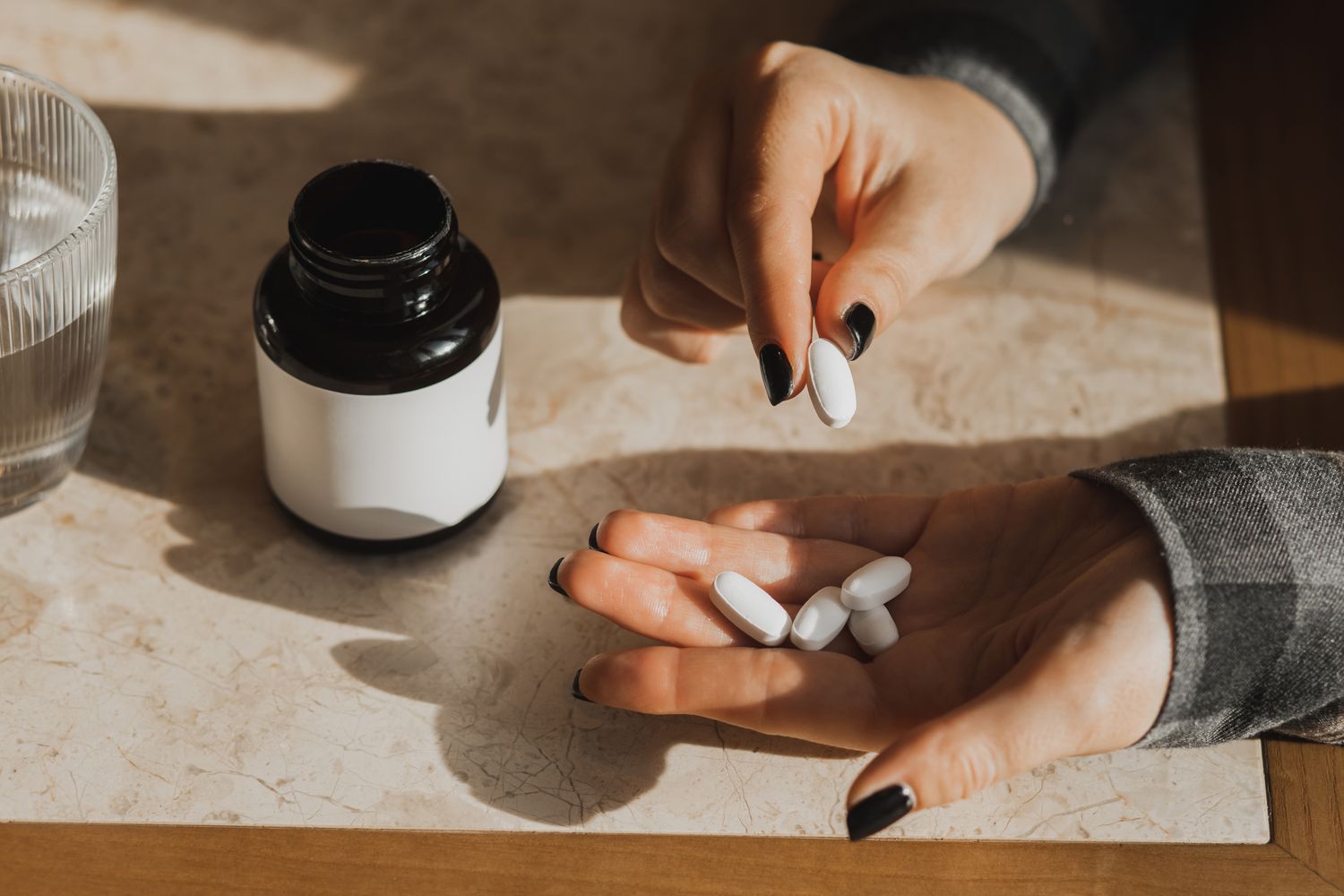
Interest in natural wellness continues to grow as more people seek practical ways to support emotional wellbeing and manage everyday stress. Among the most discussed nutritional topics today is magnesium because of its role in relaxation, nervous system function, and overall wellness. At Calm Minds Hub, we focus on educational content that helps individuals make informed lifestyle choices for better balance. Calm Minds Hub encourages realistic wellness strategies that combine nutrition with healthy daily habits. Through trusted guidance and wellness awareness, Calm Minds Hub continues to explore how selecting the best magnesium for anxiety may support calmness, relaxation, and long-term emotional wellness.
Understanding Why Magnesium Is Linked to Stress Relief
Magnesium is an essential mineral involved in hundreds of biological processes throughout the body. It contributes to energy production, muscle function, nervous system activity, and sleep regulation. These interconnected systems influence how people feel physically and emotionally throughout the day.
Because stress and emotional strain often affect multiple body systems simultaneously, magnesium has gained attention among individuals looking for supportive wellness solutions. This growing interest has increased discussions surrounding the best magnesium for anxiety and its role in everyday wellbeing.
The Relationship Between Magnesium and the Nervous System
The nervous system manages communication throughout the body and influences responses to stress, focus, and recovery. When daily pressures become ongoing, maintaining healthy nervous system function becomes increasingly important.
Magnesium supports normal neurological processes and contributes to relaxation pathways. This relationship explains why many people investigate the best magnesium for anxiety as part of broader wellness planning.
Why Choosing the Right Magnesium Form Matters
Not all magnesium forms are discussed in the same way within wellness conversations. Different forms are commonly selected depending on personal preferences and intended wellness goals.
Understanding available options may help individuals make more informed choices when exploring long-term nutritional support.
Magnesium Glycinate for Relaxation Support
Magnesium glycinate is frequently associated with relaxation and nighttime wellness routines. It is commonly discussed by individuals who prioritize calmness and emotional comfort.
Because of these characteristics, many wellness discussions include magnesium glycinate among options considered when choosing the best magnesium for anxiety.
Magnesium Citrate for General Wellness
Magnesium citrate remains one of the most widely recognized forms and is commonly used to support overall magnesium intake.
Its accessibility and familiarity make it a frequent topic in nutritional wellness conversations.
Magnesium Threonate for Mental Clarity
Magnesium threonate often appears in discussions focused on cognitive wellness and concentration.
Individuals who want support for productivity and mental focus sometimes explore this option alongside broader emotional wellness goals.
Factors to Consider When Selecting Magnesium for Anxiety
Choosing the right wellness approach involves more than selecting a supplement. Lifestyle, nutritional habits, and personal wellness objectives all play important roles.
Evaluating these factors may improve long-term consistency and support healthier decisions.
Identify Your Primary Wellness Goal
Some individuals prioritize relaxation while others focus on sleep quality, concentration, or emotional balance.
Understanding personal goals may help narrow choices when researching the best magnesium for anxiety.
Evaluate Daily Nutrition Habits
Whole-food nutrition remains an important foundation for long-term wellbeing.
Reviewing current eating habits may help determine whether dietary improvements should accompany supplement discussions.
Consider Consistency Over Quick Results
Lasting wellness benefits typically develop through consistent habits rather than immediate changes.
Building sustainable routines often supports better long-term outcomes.
How Magnesium May Support Lasting Stress Relief
Stress management involves supporting multiple aspects of wellbeing including nutrition, recovery, movement, and emotional awareness.
Magnesium continues receiving attention because of its involvement in relaxation and healthy body function.
Supporting Healthy Sleep Patterns
Sleep quality strongly influences emotional resilience and daily performance.
Many people exploring the best magnesium for anxiety also focus on improving sleep routines because quality rest supports stress recovery.
Encouraging Physical Relaxation
Stress often appears physically through tension and discomfort.
Magnesium contributes to normal muscle function and supports relaxation processes that may complement wellness routines.
Supporting Emotional Stability
Balanced routines often create more stable emotional experiences.
Nutrition, sleep, and stress management work together to support overall wellbeing and may strengthen the role of the best magnesium for anxiety within a wellness plan.
Best Food Sources of Magnesium for Daily Wellness
Diet remains one of the most sustainable ways to support magnesium intake naturally.
Whole foods provide additional nutrients that contribute to overall health and emotional wellness.
Leafy Green Vegetables
Spinach, kale, and similar vegetables are recognized for providing magnesium and supporting nutritional balance.
Seeds and Nuts
Pumpkin seeds, almonds, and cashews provide minerals and healthy fats that fit into wellness routines.
Whole Grains and Legumes
Beans, oats, lentils, and whole grains offer nutritional variety and support long-term healthy eating habits.
At Calm Minds Hub, practical nutritional education encourages food-first approaches whenever appropriate.
Lifestyle Habits That Complement Magnesium
Choosing the best magnesium for anxiety becomes more effective when paired with supportive daily habits. Wellness outcomes often improve through consistency and balanced routines.
At Calm Minds Hub, educational content emphasizes habits that support sustainable emotional wellbeing. Calm Minds Hub encourages individuals to combine nutritional awareness with realistic lifestyle improvements.
Prioritize Sleep Hygiene
Establishing consistent sleep routines supports recovery and emotional balance.
Practice Stress Management Techniques
Mindfulness, breathing exercises, and regular relaxation practices may complement broader wellness goals.
Stay Physically Active
Daily movement supports overall wellness and may contribute to healthier stress responses.
Maintain Balanced Nutrition
Nutrient-rich eating habits support the body’s natural processes and long-term wellbeing.
These supportive practices may enhance the value people seek when selecting the best magnesium for anxiety.
Common Mistakes When Choosing Magnesium
People sometimes expect immediate results or focus only on supplements while ignoring broader lifestyle habits.
Understanding common mistakes may help improve long-term satisfaction and realistic expectations.
Expecting Instant Changes
Wellness improvements generally require time and consistency.
Ignoring Overall Diet
Supplement discussions should not replace balanced nutrition.
Overlooking Professional Guidance
Healthcare professionals can provide personalized recommendations based on individual needs.
At Calm Minds Hub, wellness education continues encouraging informed and balanced decision-making.
Scientific Interest in Magnesium and Emotional Wellness
Researchers continue studying how nutrition interacts with emotional wellbeing and everyday stress responses. Magnesium remains an area of interest because of its broad role in body function.
Current discussions emphasize that nutrients work most effectively as part of comprehensive wellness strategies rather than standalone solutions.
People researching the best magnesium for anxiety increasingly recognize the importance of combining healthy routines, realistic expectations, and professional support.
Conclusion
Selecting the best magnesium for anxiety involves understanding personal goals, reviewing nutrition habits, and creating a balanced wellness routine. Magnesium’s connection to relaxation, sleep quality, and nervous system function has contributed to its growing popularity among individuals seeking natural stress support.
Although magnesium should not replace professional care, it may become part of a broader wellness strategy focused on lasting stress relief and emotional balance. Combining nutrition, rest, movement, and healthy routines remains one of the most effective approaches to supporting overall wellbeing.
Frequently Asked Questions
1. What is considered the best magnesium for anxiety?
Different forms may suit different goals, including relaxation, sleep support, or general wellness preferences.
2. Can magnesium help reduce stress naturally?
Magnesium supports normal body function and may complement healthy stress-management habits.
3. Should magnesium come from food or supplements?
Whole-food sources are valuable, while supplements may be considered with professional guidance.
4. How long does magnesium take to support wellness goals?
Experiences vary depending on nutrition, consistency, and overall lifestyle habits.
5. Can magnesium replace professional anxiety care?
No. Magnesium should support—not replace—professional evaluation and treatment when needed.