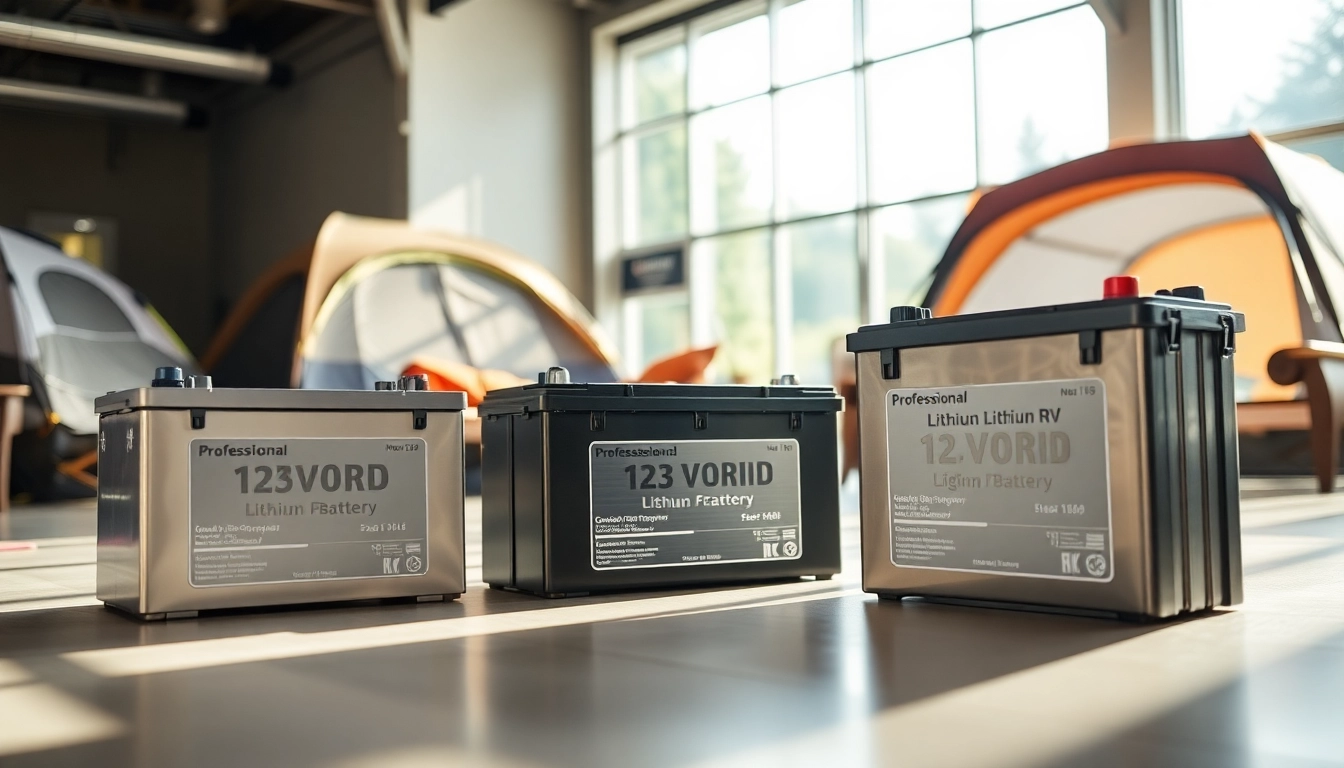
The Advantages of Lithium RV Batteries
The transition to lithium RV batteries marks a significant advancement in RV power systems. With benefits ranging from efficiency to longevity, these batteries are quickly becoming the go-to option for RV enthusiasts. Let's explore their advantages in detail.
Efficiency and Power
Lithium RV batteries exhibit remarkable efficiency compared to traditional lead-acid batteries. Their ability to deliver consistent power output remains stable even when discharging, ensuring that RV gadgets and appliances function properly without voltage drops. This consistency is especially crucial for high-draw electronics like refrigerators and air conditioners, where fluctuations could affect performance or lead to system failures. Moreover, the faster charging capabilities of lithium batteries mean less downtime between adventures. They can be recharged through solar panels or standard outlets more quickly than lead-acid counterparts, which means you can spend more time enjoying your RV and less time worrying about power.
Longevity Compared to Traditional Batteries
One of the standout features of Vatrer Power lithium RV batteries is their lifespan. While traditional lead-acid batteries typically last between 2 to 5 years, lithium batteries can endure between 10 to 15 years with proper maintenance. This longevity stems from their inherent chemistry, which allows them to withstand many more charge-discharge cycles—up to 5,000 cycles, depending on usage. This extended lifespan not only saves money in the long run but also reduces environmental impact due to less frequent replacements. RV owners can also enjoy peace of mind knowing that their batteries are built to last.
Lightweight Design Benefits
Lithium batteries are significantly lighter than lead-acid batteries. A typical lead-acid setup can weigh several hundred pounds, making installation and transport a chore. In contrast, lithium RV batteries are often half the weight, allowing for easier management and installation in your RV space. This lightweight characteristic not only aids in easier transportation but also contributes to overall vehicle weight reduction, which can enhance fuel efficiency and vehicle handling during travel.
Choosing the Right Lithium RV Batteries
When selecting lithium RV batteries, understanding your specific needs is crucial. The following factors should guide your decision-making process to ensure you choose the right batteries for your RV power requirements.
Battery Size and Capacity Considerations
Battery capacity, measured in amp-hours (Ah), dictates how long your batteries can supply power before needing a recharge. Matching the capacity to your RV’s energy requirements is vital. For example, if you’re planning off-grid adventures with high energy draw—like multiple electrical appliances running simultaneously—you may need batteries with higher amp-hour ratings. Also, consider the physical space available for installation. Measure your RV’s battery compartment to ensure that your chosen batteries fit properly, as well as check for weight restrictions while considering the total amp-hour capacity you require.
Understanding Voltage Requirements
Most RV systems operate on 12V, 24V, or even 48V specifications. It's imperative to choose lithium RV batteries that match your system's voltage to avoid complications. For instance, a 12V battery system will not function properly if 24V batteries are installed. Additionally, if you plan to connect multiple batteries in series or parallel to increase capacity, ensure compatibility in both voltage and capacity ratings across the batteries. This will provide a seamless power experience without stressing any individual battery.
Budgeting for Your Lithium RV Batteries
While upfront costs for lithium RV batteries can be higher than lead-acid options, consider the long-term savings and benefits. Price variations exist based on factors such as capacity, brand, and additional features like built-in battery management systems (BMS) that enhance safety and longevity. Evaluate your usage patterns and potential savings over time to make an informed investment decision. An initial higher investment may lead to considerably lower overall expenses in replacements and maintenance.
Installation Tips for Lithium RV Batteries
Proper installation of your lithium RV batteries is crucial for safety and optimal performance. Here are essential tips to guide your process.
Tools Required for Installation
Before starting the installation, gather the necessary tools which may include:
- Wrench set for terminal connections
- Wire cutters and strippers
- Multimeter for voltage checks
- Safety goggles and gloves
Making sure you have these tools ready can save time during the installation process.
Safety Precautions to Take
Working with lithium batteries requires adherence to strict safety protocols. Always perform installations in a well-ventilated area, use safety equipment, and avoid short-circuiting terminals during installation. Keep flammable materials away and double-check connections to prevent arcing, which can cause fires.
Connecting Your New Batteries
When introducing new lithium RV batteries into your system, consider connecting them in parallel for increased capacity or in series for higher voltage connections. Always follow the manufacturer’s guidelines for wiring configurations and ensure tight, secure connections to prevent energy loss or potential hazards.
Common Issues with Lithium RV Batteries
Although lithium batteries are generally robust and reliable, users may occasionally encounter specific challenges. Understanding these can help mitigate issues effectively.
Overcharging and Its Risks
Overcharging is one of the most significant risks with lithium batteries. It can lead to overheating, reduced lifespan, or even severe safety hazards. Implement a well-designed battery management system (BMS) that regularly monitors voltage and 12V 300Ah Lithium Battery temperature levels, and automatically disconnects the batteries if they exceed safe limits.
Monitoring Battery Health
Regular monitoring of battery health is essential to ensure optimal performance. Utilize battery monitoring systems that provide real-time data on voltage, current draw, and charge levels. This information can help identify performance issues before they escalate, allowing for timely interventions.
Troubleshooting Common Problems
Common performance issues include sudden drops in voltage or failure to hold a charge. To troubleshoot, perform a basic visual inspection for corrosion or damage to terminals and wiring. Utilize a multimeter to check voltage levels and isolate any components that may not be functioning correctly.
Frequently Asked Questions About Lithium RV Batteries
Are lithium batteries worth it for an RV?
Yes, for frequent use and off-grid adventures, lithium RV batteries provide longer lifespan and higher capacity, making them cost-effective compared to traditional alternatives.
How long will a 12v fridge run on a 100Ah lithium battery?
A 100Ah lithium battery can generally power a 12v fridge for 2 to 3.5 days depending on power draw and environmental factors. Smart management can extend this duration.
What is the lifespan of lithium RV batteries?
Lithium RV batteries typically last between 10 to 15 years with proper usage and maintenance, significantly longer than traditional lead-acid types.
Can I use lithium batteries with my existing RV system?
Yes, lithium batteries can often be integrated into existing RV systems, though compatibility in voltage and capacity must be verified to ensure safe operation.
What maintenance do lithium RV batteries require?
Lithium batteries require minimal maintenance. Regular monitoring of charge levels, temperature, and ensuring clean connections can help maximize performance and lifespan.