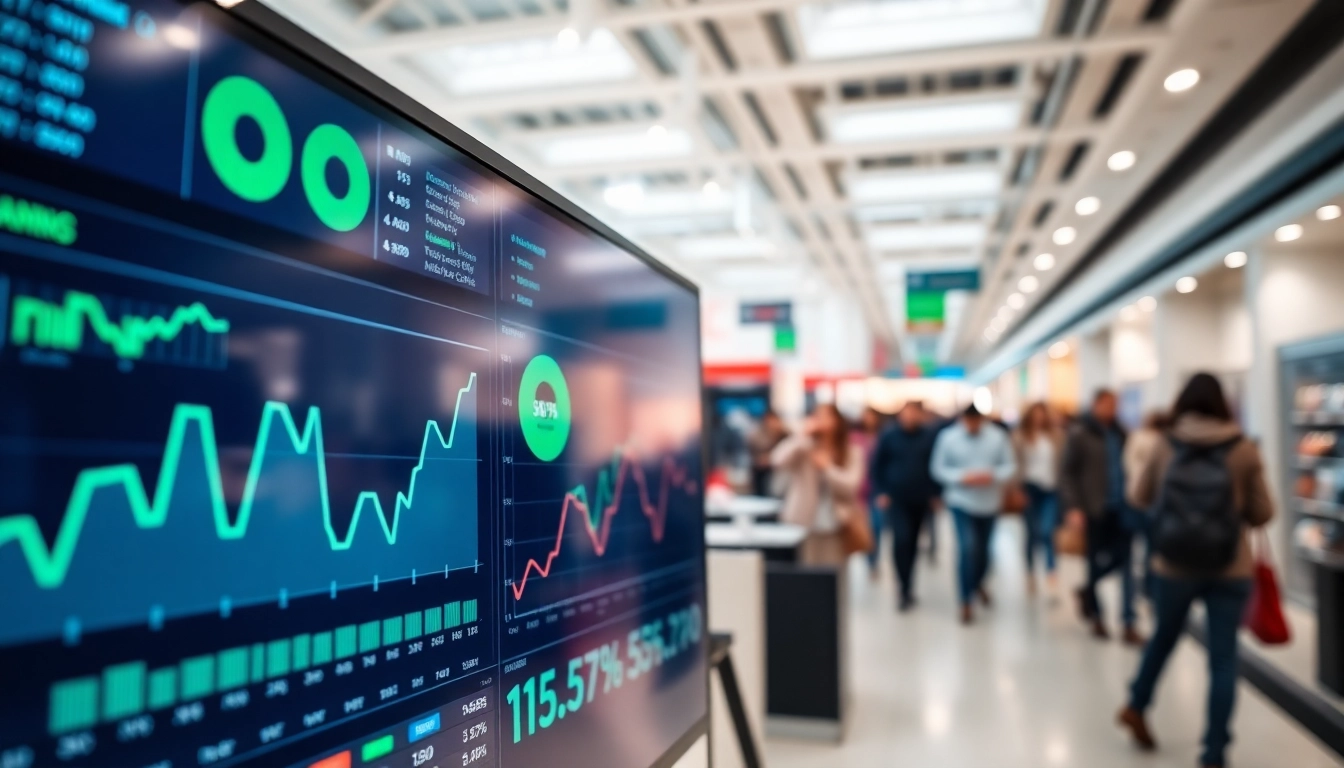
Understanding Retail Footfall Analytics
What is Retail Footfall Analytics?
In the world of retail, retail footfall analytics encompasses the measurement and analysis of customer traffic within physical retail environments. This analysis is not simply about counting the number of people entering a store; it involves a deeper understanding of customer behavior, including movement patterns, dwell times, and interaction points within the retail space. By harnessing data collected through various technologies, retailers can unearth valuable insights that enhance customer experiences and improve business outcomes.
Importance of Footfall Data in Retail
Footfall data is crucial for a multitude of reasons. Firstly, it helps retailers understand traffic patterns, indicating when and how customers engage with their environments. By analyzing footfall, retailers can optimize staffing levels, manage inventory more effectively, and refine marketing strategies to enhance engagement. This data does not just serve as a historical record; it is instrumental in anticipating customer needs and adjusting operations in real-time.
Key Metrics in Footfall Analysis
Several key metrics drive effective retail footfall analytics. Among these, the number of unique visitors, average dwell time, peak visitation periods, and conversion rates are vital for forming a comprehensive view of customer behavior. Understanding these metrics allows retailers to benchmark performance, adjust strategies, and ultimately increase sales. Each metric feeds into the larger picture, revealing trends that can be acted upon immediately.
Methods for Measuring Footfall
Technology Used for Footfall Measurement
Multiple technology solutions exist to measure footfall accurately. Infrared sensors, video analytics, and Wi-Fi tracking systems are just a few of the options available. Infrared sensors, for instance, can count individuals as they cross a defined entrance point, providing simple yet effective data. Video analytics provides a more detailed observation, tracking customer movements with a level of granularity that can reveal how customers navigate through the store. Wi-Fi tracking takes advantage of the mobile devices customers carry, capturing data about the duration of their stay and various pathways they take within the retail space.
Best Practices for Accurate Data Collection
Gathering reliable footfall data requires adherence to best practices. Retailers should ensure that their measurement systems are properly calibrated and strategically placed to cover entrance points fully. Regular maintenance and software updates are crucial for avoiding data inaccuracies. Moreover, considering seasonal trends and variabilities in foot traffic can enhance the understanding of patterns and inform future strategies. Consistently reviewing data for anomalies can also lead to insights into customer behavior that might otherwise be overlooked.
Common Challenges in Gathering Footfall Data
Despite the benefits of footfall analytics, challenges persist in obtaining accurate data. Factors such as varying external conditions (e.g., weather impacting foot traffic), technical limitations in sensor technologies, and potential privacy concerns can hinder effective data collection. Retailers must remain aware of these challenges and invest in adaptive technologies and processes that can mitigate these impacts. Clear policies regarding customer data privacy must also be established to ensure compliance and build trust with customers.
Analyzing Footfall Data
How to Interpret Footfall Patterns?
Interpreting footfall data patterns can reveal valuable insights into customer behavior. By identifying peak periods and factors influencing traffic, retailers can make informed decisions about staffing and marketing. Regularly analyzing footfall data allows companies to assess seasonal trends and understand what influences customer visits. Heatmaps can visualize areas of highest traffic, guiding product placement and promotional strategies for optimal customer interaction and sales performance.
Leveraging Data Insights for Store Layout
Store layout plays a significant role in customer journey and engagement. By leveraging insights from footfall analytics, retailers can adjust their layouts to maximize customer interaction with products. For instance, understanding flow patterns can assist retailers in deciding the placement of promotional displays or seasonal items in high-traffic areas. Additionally, optimizing the customer journey through well-thought-out layouts can lead to increased dwell time and, consequently, higher sales.
Footfall Data in Marketing Strategies
Incorporating footfall data into marketing strategies can enhance campaign effectiveness. Knowing when customer traffic peaks allows retailers to launch targeted promotions that align with high-traffic times. Furthermore, understanding footfall data aids in personalizing marketing efforts, enabling targeted messaging based on observed behavior patterns and preferences. This tailored approach can significantly enhance customer engagement and lead to higher conversion rates.
Comparing Footfall Solutions
Types of Retail Footfall Analytics Tools
The retail market has a range of footfall analytics tools that cater to different needs. From simple counting solutions that measure traffic volume to more sophisticated systems that offer in-depth analytics capabilities, retailers must assess their specific requirements before selecting a tool that aligns with their business strategy. Considering features such as user-friendliness, data integration capabilities, and analytical depth is crucial when selecting the ideal tool.
Evaluating Cost vs. Value
When considering which footfall analytics system to implement, evaluating cost against potential value is essential. While initial investment might be significant, the increased insights gained from superior data analytics can lead to significant returns on investment. Retailers should look beyond the upfront costs to consider how the analytics will enhance decision-making, optimize operations, and ultimately drive profitability.
Choosing the Right Solution for Your Business
Selecting the right footfall analytics solution requires not only evaluating costs and features but also understanding the overall business objectives. Retailers must assess the compatibility of tools with existing systems and ensure that the selected solution is scalable for future growth. A collaborative approach, involving key stakeholders in the decision-making process, can help ensure that the chosen system meets various departmental needs effectively.
Future Trends in Retail Footfall Analytics
Integrating AI and Machine Learning
As retail evolves, so does the application of technology in footfall analytics. The integration of AI and machine learning is setting the stage for more advanced analytics capabilities. These technologies can analyze vast amounts of data to identify patterns that may not be immediately evident to human analysts, uncovering actionable insights that help optimize customer experiences. With advanced predictive capabilities, AI can also forecast traffic, informing strategic business decisions.
The Role of Big Data in Retail
Big data is shaping the future of retail footfall analytics by providing a platform where immense volumes of data can be processed and analyzed. This capability allows for a more comprehensive understanding of customer behaviors and preferences across different timeframes and experiences. Retailers leveraging big data can enhance their strategic positioning, utilize customer segmentation more effectively, and create personalized shopping experiences that resonate with customers more deeply.
Predictive Analytics for Retail Success
Predictive analytics is emerging as a cornerstone of effective retail strategy. By examining historical footfall data, retailers can anticipate future trends, customer behaviors, and inventory needs. This forward-thinking approach enables retailers to stock appropriately, manage staff levels efficiently, and pursue marketing efforts that align with anticipated traffic trends. Predictive analytics empowers retailers to move from reactive to proactive business strategies, thus enhancing overall operational efficiency and customer satisfaction.
FAQs
What is footfall in retail?
Footfall in retail refers to the measurement of how many customers enter a store over a defined period. It’s a crucial metric for understanding customer engagement and optimizing store performance.
How can footfall analytics improve sales?
By analyzing footfall data, retailers can identify traffic patterns, optimize store layouts, adjust staffing, and implement targeted promotions that boost customer engagement and drive sales.
What technologies are used for measuring footfall?
Retailers use several technologies, including infrared sensors, video analytics, and Wi-Fi tracking systems, to measure foot traffic effectively and gather actionable insights.
How often should footfall data be analyzed?
It is recommended to analyze footfall data regularly, at least weekly or monthly, to understand trends over time and inform strategic decisions effectively.
What are common challenges in footfall measurement?
Common challenges include technical limitations of sensors, external factors affecting customer traffic, and ensuring privacy compliance while gathering data.