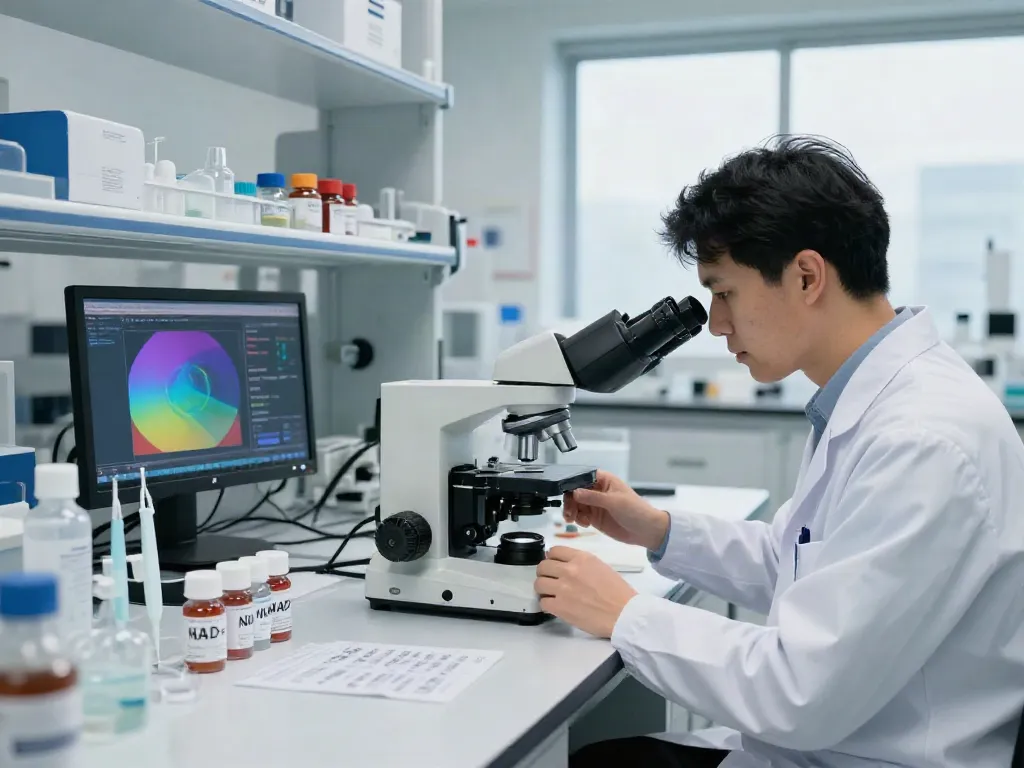
Understanding NAD+ Peptides in Research
The exploration of nad+ peptide is crucial to advancing understanding in molecular biology and regenerative medicine. Nicotinamide adenine dinucleotide (NAD+) serves as a fundamental coenzyme found in every living cell. Its role in cellular metabolism is unparalleled, influencing energy production, mitochondrial functions, and various biochemical pathways that affect aging and cellular repair mechanisms. As scientists continue to delve into the significance of NAD+, it is necessary to explore its implications within advanced research, particularly in the context of longevity, bioenergetics, and disease prevention research.
What is NAD+ and Its Role in Cellular Metabolism?
NAD+ is central to numerous biochemical processes, acting as a cofactor for enzymes involved in critical metabolic pathways. It plays a vital role in converting food into energy by facilitating redox reactions, particularly in glycolysis and the Krebs cycle. NAD+ also participates in DNA repair, thereby maintaining genomic integrity. The enzyme SIRT1, activated by NAD+, has been shown to influence cellular aging and stress resistance, marking it as a significant factor in regenerative studies.
The Importance of NAD+ in Biochemical Research
As research around NAD+ expands, its importance in various scientific domains becomes apparent. Studies have linked NAD+ levels to mitochondrial health, age-related diseases, and cellular stress responses, thereby highlighting the need for further examination of NAD+ synthesis and supplementation. For researchers focusing on metabolic disorders, neuronal health, and anti-aging therapies, understanding NAD+ dynamics can pave the way for breakthroughs in therapeutic interventions.
Current Trends in NAD+ Peptide Studies
Emerging research trends indicate that NAD+ and its related compounds are becoming increasingly significant in the fields of peptide therapies and interventions aimed at enhancing human performance. From athletic performance to cognitive function, NAD+-based treatments are gaining traction in clinical studies. As the scientific community continues to investigate innovative ways to harness the power of NAD+, new strategies involving peptide formulations and NAD+ administration are being developed.
Purity and Quality Assurance of NAD+ Peptides
Given the critical role of NAD+ in scientific research, ensuring the purity and quality of NAD+ peptides is of utmost importance. Laboratories conducting research must rely on substances that meet the highest standards of purity to produce reliable and reproducible results.
How is NAD+ Purity Tested?
Purity testing of NAD+ peptides involves several analytical techniques. High-Performance Liquid Chromatography (HPLC) is one of the primary methods used to ascertain the compound's purity by separating and quantifying components within a sample. Additionally, spectroscopic methods such as Mass Spectrometry (MS) complement these analyses, offering insights into the molecular weight and structure of NAD+, thereby confirming its identity and purity.
Understanding Certificates of Analysis
A Certificate of Analysis (CoA) plays a crucial role in assuring the quality of research compounds. It provides detailed information about the product's composition, including purity, potency, and presence of any impurities. For researchers, attaining a CoA from reputable suppliers ensures that the NAD+ peptide they are utilizing meets the necessary standards for scientific inquiry.
Importance of HPLC and Mass Spectrometry in NAD+ Research
The integration of HPLC and Mass Spectrometry in the analysis of NAD+ not only guarantees the compound's integrity but also enhances research findings' credibility. These techniques enable researchers to investigate the biochemical properties of NAD+ thoroughly, facilitating better experimental designs and outcomes.
Applications of NAD+ in Laboratory Environments
NAD+ is utilized in various laboratory applications focused on understanding cellular metabolism and bioenergetics. Researchers employ NAD+ in experimental protocols that explore tissue health and metabolic processes, making it an essential compound in modern biochemical research.
NAD+ in Tissue Analysis Protocols
Using NAD+ in tissue analysis allows researchers to explore metabolic activity within cells. This can help in evaluating disease states, understanding cellular aging, and investigating therapeutic interventions. By measuring NAD+ levels in different tissues, scientists can gain insights into metabolic dysregulations that characterize various diseases.
Exploring NAD+ in Bioenergetics Research
Bioenergetics research has experienced a resurgence with the advent of techniques that allow for real-time measurements of NAD+ levels within cells and organisms. Understanding how NAD+ influences ATP production and energy metabolism can lead to novel therapeutic strategies targeting metabolic disorders and aging.
NAD+ and Its Impact on Mitochondrial Function
Mitochondria serve as the powerhouse of the cell, and NAD+ is integral to mitochondrial function and homeostasis. Research has demonstrated that NAD+ supplementation can enhance mitochondrial biogenesis, improve energy production, and mitigate oxidative stress, making it a focal point for studies on metabolic health and longevity.
Challenges and Misconceptions in NAD+ Research
While interest in NAD+ peptides has surged, several challenges and misconceptions persist within the scientific community and the public domain. Addressing these obstacles is necessary for advancing research and its applications.
Common Misunderstandings about NAD+ Peptides
One prevalent misconception is that NAD+ supplementation can serve as a universal remedy for aging and health issues. However, while NAD+ plays a vital role in cellular processes, its supplementation must be approached with caution, and the context of individual health conditions should always be considered.
Addressing Safety and Ethical Concerns
As research progresses, ethical considerations regarding NAD+ use, especially in performance-enhancing contexts, must be addressed. Ensuring that NAD+ peptides are used responsibly and under appropriate regulations contributes to a safer research environment.
Challenges in Research Funding and Accessibility
Securing adequate funding for NAD+ research can prove challenging, particularly when competing against other high-profile scientific initiatives. Furthermore, limited access to quality research materials can hinder progress. By promoting funding opportunities and establishing partnerships within academia and industry, the research community can enhance NAD+ studies.
The Future of NAD+ Research: Trends and Innovations
The future of NAD+ research holds promise, with ongoing studies poised to reveal new therapeutic avenues and strategies for managing age-related diseases and enhancing healthspan.
Emerging Findings in NAD+ and Longevity Studies
Recent findings suggest that NAD+ effectively promotes longevity through various mechanisms, including activating sirtuins and improving mitochondrial function. As evidence mounts, it is likely that NAD+ will become a central focus in anti-aging research, leading to innovative therapeutics aimed at extending youthful vitality.
Predictions for NAD+ in Therapeutic Applications by 2026
Looking ahead, NAD+ is expected to play a pivotal role in therapeutic applications, from metabolic health to cognitive enhancement. By 2026, it is anticipated that novel therapies utilizing NAD+ will emerge, focusing on improving wellness and extending healthspan.
Innovative Technologies Impacting NAD+ Research
Advancements in biotechnologies and analytics are revolutionizing NAD+ research. Techniques such as CRISPR and gene editing may open new pathways to manipulate NAD+ levels within cells, providing innovative therapeutic approaches to treat age-related diseases and metabolic disorders.
What Do NAD Peptides Do for You?
NAD+ peptides are known to enhance cellular metabolism, promote energy production, and improve overall cellular health. These peptides are gaining attention in the wellness and longevity sectors, where they are perceived to hold potential for optimizing health outcomes.
What is the Downside of Taking NAD+?
While the benefits of NAD+ supplementation are widely reported, potential downsides may include unregulated use, possible interference with other metabolic processes, and limited understanding of long-term effects. Therefore, comprehensive research and expert guidance are essential before considering NAD+ supplementation.
Why Do I Feel So Good on NAD?
Many individuals report improved energy, clarity, and mood upon NAD+ supplementation. This effect may stem from enhanced cellular energy production and improved mitochondrial function. However, personal experiences vary, and scientific validation is necessary to understand these subjective reports fully.
What Happens When You Take NAD+ Every Day?
Consistent NAD+ supplementation may lead to improved energy levels, enhanced cognitive function, and potential longevity benefits. However, individual responses can vary, and ongoing research is necessary to establish its long-term safety and efficacy.