Understanding Equipment Service
Defining Equipment Service
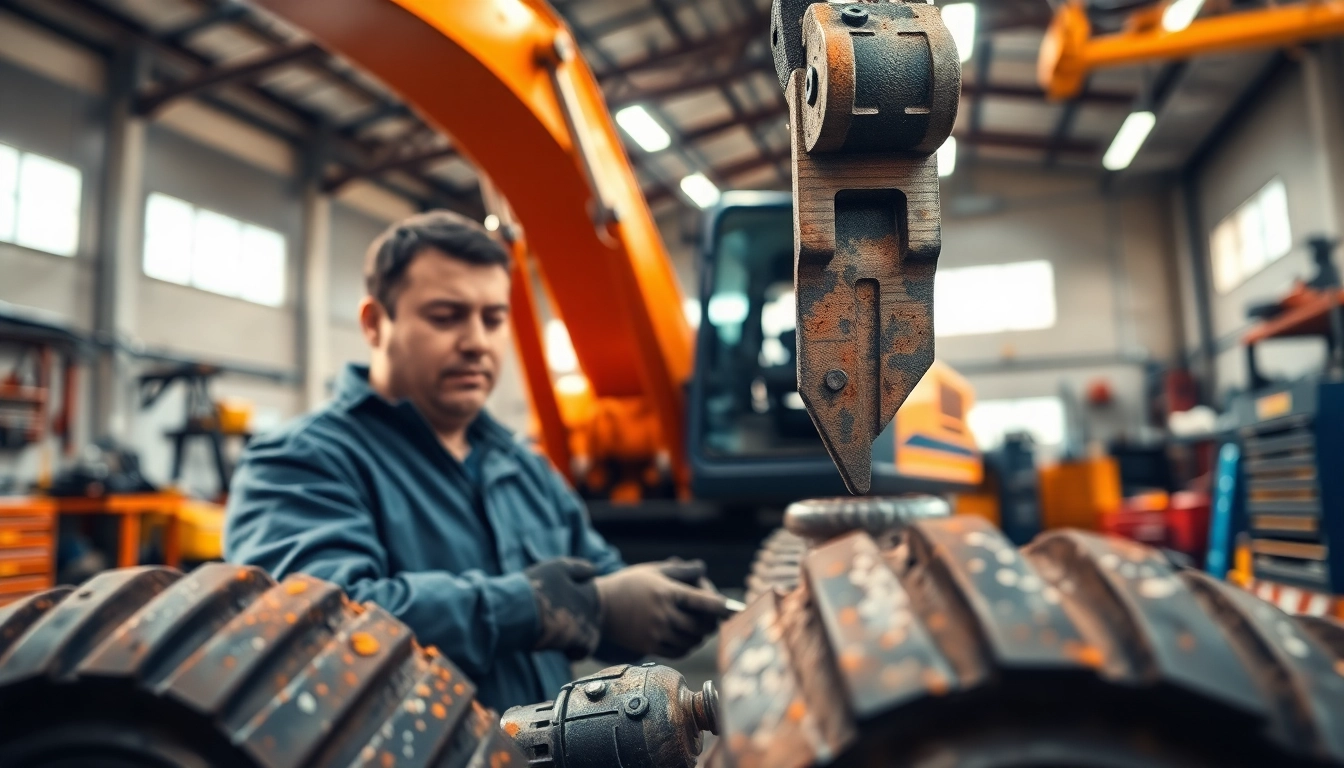
Equipment service refers to a broad range of activities focused on maintaining, repairing, and optimizing machinery or tools used in various industries. This includes everything from heavy machinery used in construction to smaller handheld tools found in workshops. The primary goal of equipment service is to ensure that equipment operates efficiently and safely, minimizing downtime and promoting productivity. Understanding the importance of equipment service is crucial for both managers and operators alike as it directly impacts operational performance.
The Importance of Regular Maintenance
Regular maintenance is essential for prolonging the lifespan of equipment and preventing unexpected failures. Consistent service not only keeps machinery running smoothly but also enhances safety, as well-maintained equipment is less likely to malfunction or cause accidents. Additionally, regular maintenance can significantly reduce long-term costs by catching small issues before they escalate into major repairs, thereby saving money on significant downtime.
Different Types of Equipment Service
Equipment servicing can be categorized into several types, including:
- Preventive Maintenance: Scheduled servicing activities designed to reduce the likelihood of equipment failure.
- Corrective Maintenance: Repair activities carried out after a fault or failure has occurred to restore equipment to working order.
- Predictive Maintenance: Maintenance conducted based on the condition of equipment, often utilizing data and technology to forecast needs.
- Condition-Based Maintenance: A strategy that collects real-time data during operation to trigger service when specific thresholds are met.
Choosing a Service Provider
What to Look for in Equipment Service
Choosing the right service provider is critical for effective equipment management. When assessing potential providers, consider the following:
- Experience: Look for providers with a proven track record in servicing your specific type of equipment.
- Reputation: Research customer reviews and testimonials to gauge the reliability of the service provider.
- Availability: Consider providers that offer flexible scheduling and emergency services when needed.
- Transparency: A trustworthy provider will be open about their pricing, including labor, parts, and any possible additional charges.
Service Certifications and Qualifications
Many equipment service providers hold specific industry certifications that enhance their credibility. Certifications ensure that technicians have undergone proper training and adhere to industry standards. Some of the essential certifications to look for include:
- Manufacturer-Specific Certifications: Indicates that technicians have specialized training directly related to certain brands or equipment types.
- Safety Certifications: Compliance with safety regulations is vital, especially in fields with stringent safety requirements.
- ISO Certifications: Ensures that a service provider meets global standards for quality and efficiency.
Comparing Local vs. National Service Providers
When selecting a service provider, a choice often arises between local and national companies. Local providers may offer personalized service and quicker response times due to proximity. On the other hand, national companies might provide extensive resources and standardized service protocols. Consider factors such as:
- Service Range: A local provider might have limitations, while a national service might cover a broader territory.
- Pricing: Compare costs for similar services, keeping in mind service quality and response times.
- Customer Support: Evaluate the level of support offered by both local and national providers.
Best Practices for Equipment Care
Developing a Maintenance Schedule
To enhance operational efficiency, a structured maintenance schedule is essential. Follow these tips to create a robust maintenance plan:
- Frequency: Determine how often each piece of equipment needs servicing based on usage and manufacturer recommendations.
- Documentation: Keep thorough records of all service activities and repairs to identify patterns or recurring issues.
- Reminders: Utilize digital tools or software to set reminders for upcoming service intervals.
Essential Tools and Technologies
Investing in the right tools and technologies can streamline equipment service significantly. Consider equipping your maintenance team with:
- Diagnostic Tools: Utilize equipment-specific diagnostic tools that can provide real-time feedback during inspections.
- Maintenance Management Software: Software solutions can help schedule, track, and document maintenance activities efficiently.
- Condition Monitoring Systems: These systems can provide continuous monitoring of equipment health, allowing for immediate service when needed.
Common Mistakes to Avoid in Equipment Service
Even with good intentions, mistakes can undermine equipment maintenance efforts. Common missteps include:
- Neglecting Preventive Maintenance: Skipping regular checks or relying solely on corrective maintenance can lead to greater issues.
- Ignoring Manufacturer Guidelines: Always follow the manufacturer’s recommendations for care and service to prevent voiding warranties.
- Overlooking Training: Ensure that staff are fully trained and knowledgeable about the equipment they use and service.
Understanding Costs and Quotes
Factors Influencing Equipment Service Costs
Understanding the cost associated with equipment service is crucial for budgeting and financial planning. Costs can vary based on:
- Type of Service: Preventive services may cost less per visit compared to extensive repairs.
- Equipment Complexity: More advanced machinery often demands higher service costs due to the expertise required.
- Location: Geographic location can influence labor rates and parts availability.
How to Get Accurate Quotes
To receive accurate quotes for equipment service:
- Provide Detailed Information: Clearly communicate your equipment type, history, and previous service records.
- Request Itemized Estimates: Get detailed breakdowns of services, parts, and labor costs.
- Compare Multiple Quotes: Evaluating several quotes can help identify a competitive price without compromising quality.
Cost-Saving Tips for Equipment Service
To minimize overall equipment service costs, consider these strategies:
- Regular Service: Preventive maintenance can reduce the likelihood of costly emergency repairs.
- Invest in Training: Well-trained employees can perform minor repairs and maintenance, reducing reliance on external service.
- Monitor Equipment Usage: Analyzing usage patterns can help determine the optimal frequency for service.
Frequently Asked Questions
What is the meaning of equipment service?
Equipment service refers to the processes involved in maintaining, repairing, and optimizing machinery or tools to ensure proper functionality and operational efficiency.
How often should I schedule equipment service?
The frequency of equipment service depends on usage, manufacturer recommendations, and the type of equipment, but routine checks are generally advised monthly or quarterly.
Can I perform my own equipment service?
If you have the proper training and knowledge, minor servicing tasks can be done in-house, but major repairs should be handled by qualified professionals to ensure safety.
What are common signs my equipment needs servicing?
Indicators include unusual noises, decreased performance, overheating, warning lights, or visible wear and tear, which may signal that servicing is required.
Are there any warranties related to equipment service?
Many equipment brands offer warranties on components that often require regular service; however, warranty terms will vary, and service must typically align with guidelines to remain valid.