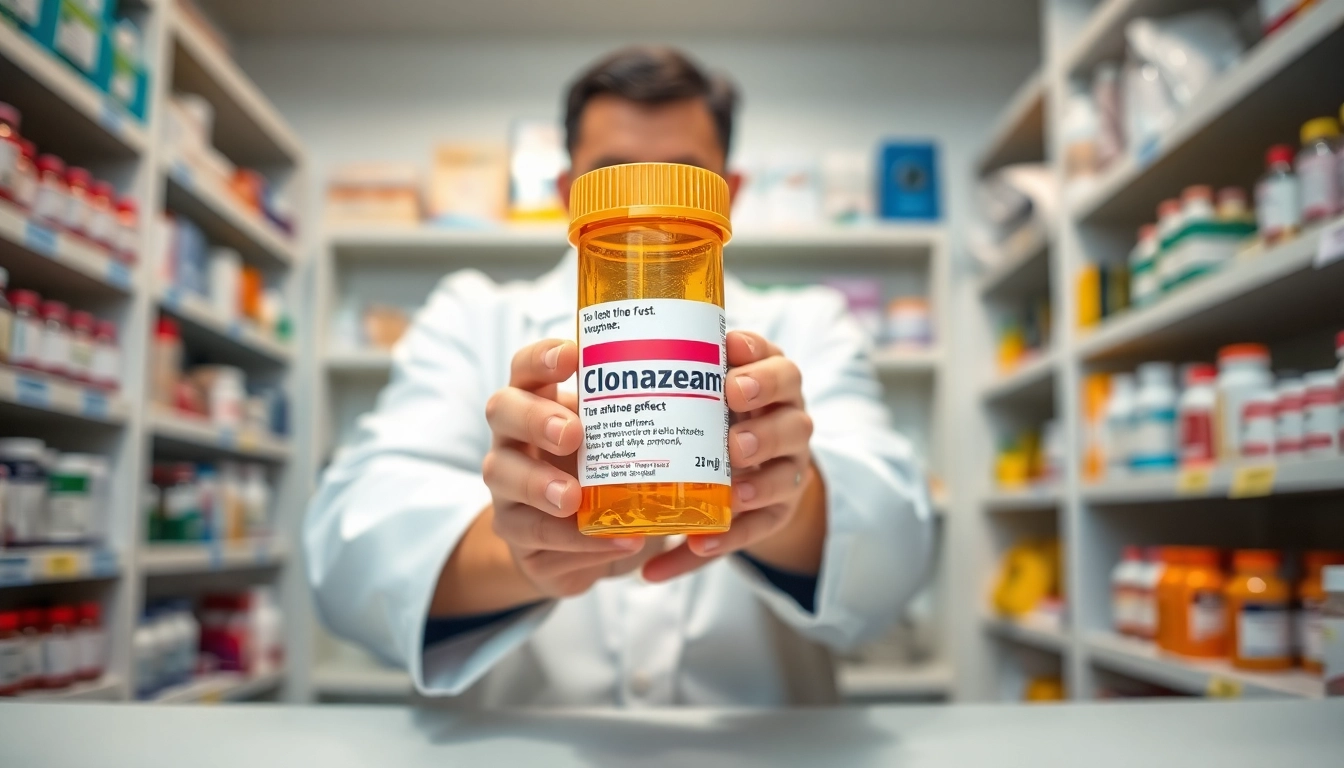
Overview of Clonazepam Side Effects
Clonazepam, a medication that belongs to the benzodiazepine class, is primarily used for treating anxiety disorders, panic attacks, and certain types of seizures. While it can be highly effective in managing these conditions, it is essential to understand the potential clonazepam side effects that may arise during its use. This article explores the common and severe side effects, strategies to mitigate them, and the importance of open communication with healthcare providers regarding its effects.
What Is Clonazepam?
Clonazepam, often sold under the brand name Klonopin, is a benzodiazepine that acts on the brain and central nervous system (CNS). It enhances the effects of a natural chemical in the body known as gamma-aminobutyric acid (GABA). By increasing GABA activity, clonazepam produces a calming effect, which makes it beneficial for individuals with anxiety disorders, panic disorders, and certain epilepsy conditions.
Why Is Clonazepam Used?
This medication is widely prescribed for various conditions due to its effectiveness as an anxiolytic (anti-anxiety agent) and its anticonvulsant properties. People suffering from generalized anxiety disorder (GAD) or panic disorder may experience significant relief from their symptoms with clonazepam. It can also serve as a supplemental treatment for seizure disorders, including Lennox-Gastaut syndrome.
Common Clonazepam Side Effects
While clonazepam is effective, it is not devoid of side effects. Common side effects include drowsiness, dizziness, and impaired coordination. Patients may also experience forgetfulness, confusion, and difficulties in concentration. Most side effects tend to be mild but can be distressing and impact daily functions.
Short-Term Side Effects
Physical Reactions
Short-term usage of clonazepam can lead to several physical reactions. Users commonly report feelings of drowsiness, leading to impaired judgment and slower reaction times. Other physical symptoms can include:
- Dizziness
- Blurred vision
- Muscle weakness
- Nausea
- Fatigue
Awareness of these potential physical reactions is crucial, especially when performing tasks that require full alertness, such as driving or operating machinery.
Psychological Effects
The psychological side effects of clonazepam usage can also be concerning. Patients may experience:
- Anxiety or agitation
- Memory issues
- Confusion
- Depressed mood
These symptoms can pose challenges in social situations and may exacerbate the underlying conditions for which the medication was prescribed.
Strategies for Mitigating Short-Term Side Effects
To mitigate short-term side effects, it is recommended that patients adhere strictly to their prescribed dosage and schedule. Gradually adjusting to the medication instead of an abrupt start may also help. Lifestyle adjustments, such as engaging in regular physical activity, maintaining a balanced diet, and ensuring sufficient sleep, can further alleviate adverse reactions. If symptoms persist, consulting a healthcare provider is crucial for potential dosage adjustments or alternative treatments.
Long-Term Side Effects
Chronic Health Risks
Long-term use of clonazepam poses several health risks. Chronic administration can lead to the development of tolerance, requiring higher doses to achieve the same therapeutic effects. Additionally, continuous exposure can result in:
- Liver function abnormalities
- Chronic respiratory issues
- Potential cognitive decline
- Increased risk of depression or suicidal thoughts
Regular check-ups and liver function tests may be necessary for those on long-term treatment to monitor for any emerging health issues.
Dependency and Tolerance Issues
One of the significant risks with long-term clonazepam use is the potential for dependency. Prolonged reliance on this drug can lead to physical addiction, which manifests as withdrawal symptoms when the medication is reduced or stopped. Symptoms can include increased anxiety, tremors, sweating, and seizures. It is vital to discuss any concerns about dependency with a healthcare provider for safe discontinuation plans.
How to Monitor Long-Term Effects
Patients should maintain an open line of communication with their healthcare professionals and be proactive in monitoring their health. Keeping a journal of symptoms, side effects, and any changes in mood or behavior can provide valuable insights during medical appointments. Regular assessments help determine the need for adjustments in dosage or treatment strategies.
How to Discuss Clonazepam Side Effects with Your Doctor
Preparing for Your Appointment
Preparing for a doctor's appointment regarding clonazepam should involve listing all current medications, supplements, and a detailed account of any side effects experienced. Understanding how the drug is impacting daily life can help the clinician offer the most effective alternatives.
Questions to Ask Your Healthcare Provider
When visiting your healthcare provider, consider asking the following questions:
- What are the likely side effects of clonazepam?
- How can I manage these side effects effectively?
- Are there alternative medications that may have fewer side effects?
- How often should I have follow-up appointments?
Importance of Open Communication
Having an open dialogue about side effects and treatment efficacy is critical. Patients should feel comfortable discussing their experiences, including any severe side effects or concerns they may have. A collaborative relationship with healthcare providers can optimize treatment outcomes.
Alternative Treatments
Exploring Other Medications
If clonazepam side effects are unbearable, patients might consider alternative medications. Non-benzodiazepine options, such as SSRIs or SNRIs, may be viable alternatives for managing anxiety and panic disorders with different side effect profiles. Medications like buspirone, which do not carry the same risk of dependency as benzodiazepines, may also be useful.
Non-Pharmacological Approaches
Beyond medication, various non-pharmacological approaches can support mental health. Cognitive-behavioral therapy (CBT), mindfulness practices, and numerous relaxation techniques have shown effectiveness in treating anxiety disorders without requiring medication. Engaging in regular physical activity and maintaining a balanced diet can also contribute positively to mental wellness.
Making Informed Choices for Mental Health
Making informed choices about mental health treatment involves evaluating the benefits and risks associated with each treatment option. Patients should work closely with healthcare providers to tailor a plan that considers individual needs, preferences, and potential adverse effects to achieve the best outcomes.
Frequently Asked Questions
1. What should I do if I experience severe side effects from clonazepam?
If you experience severe side effects, contact your healthcare provider immediately for assistance and potential reevaluation of your treatment plan.
2. Can clonazepam lead to long-term cognitive issues?
Yes, long-term use of clonazepam can lead to cognitive decline, including memory issues and confusion. Regular assessments with your doctor are essential.
3. Is it safe to suddenly stop taking clonazepam?
No, abruptly stopping clonazepam can lead to withdrawal symptoms. Always consult your doctor for a tapering plan.
4. How can I differentiate between side effects and worsening anxiety?
Monitoring symptoms closely can help. Keep a journal to track when side effects vary from your baseline anxiety symptoms and discuss these with your doctor.