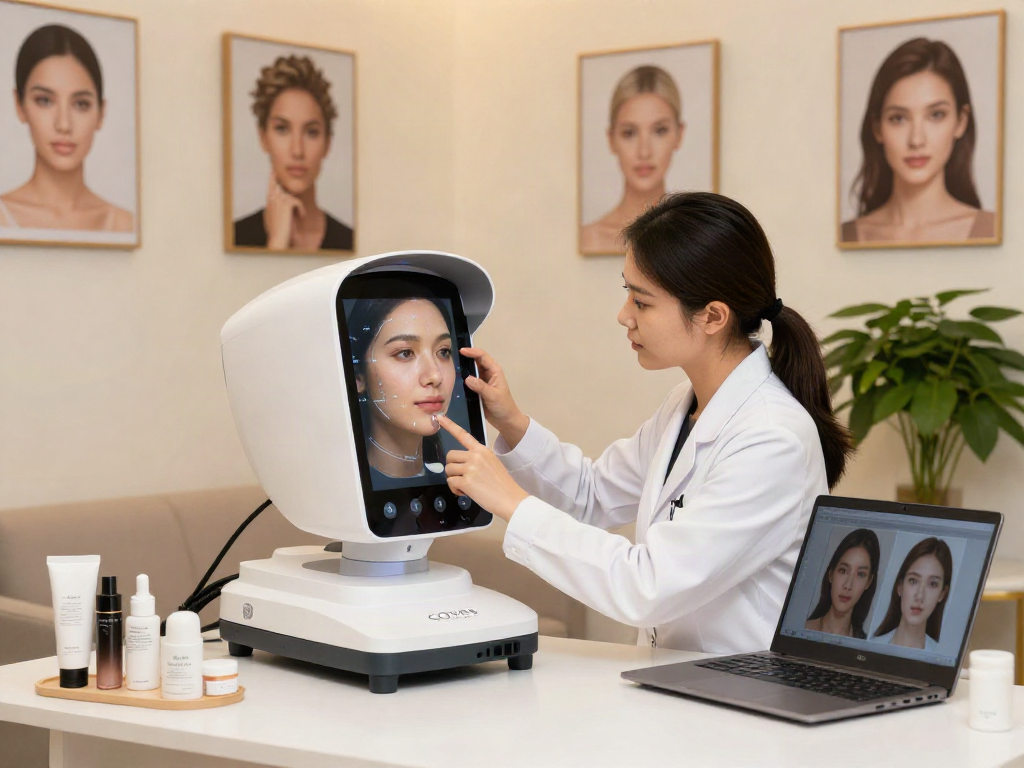
The Science Behind Peptides
Peptides are short chains of amino acids that play a pivotal role in various biological functions. They are increasingly gaining interest in the fields of health and wellness, particularly for their potential to enhance skin health and accelerate healing processes. With the growing popularity of research peptides like ghk-cu, understanding how these chains function at the molecular level is essential for appreciating their applications and benefits.
What are Research Peptides?
Research peptides are bioactive compounds that typically contain anywhere from two to fifty amino acids. Unlike proteins, which are composed of longer chains of amino acids, peptides are more concise and can influence biological processes effectively. Their structure allows them to interact specifically with cellular receptors, making them particularly useful for targeted therapies in medicine and skincare. As our understanding of their mechanisms improves, peptides are being formulated into various therapeutic compositions for a range of applications, including dermal regeneration, muscle growth, and hormonal balance.
How Peptides Interact with Cells
Peptides function primarily through their interaction with cell receptors, leading to the activation of specific signaling pathways that dictate cellular responses. For instance, when a peptide is introduced to a target tissue, it binds to receptors on the cell surface, which can elevate or inhibit signaling cascades. This can result in various outcomes, such as promoting collagen synthesis in fibroblasts or enhancing the immune response in macrophages. The efficacy of these interactions depends significantly on the peptide's amino acid sequence, its stability, and its ability to penetrate cell membranes.
Types of Peptides and Their Functions
Peptides can be classified into several categories based on their function, including:
- Signaling Peptides: These peptides communicate with cells to trigger a specific physiological response.
- Neuropeptides: Involved in neuronal communication, these impact mood, pain perception, and other functions in the nervous system.
- Hormonal Peptides: They regulate physiological processes such as growth, metabolism, and reproduction.
- Antimicrobial Peptides: These play a protective role against infections by targeting human pathogens.
- Enzyme Inhibitory Peptides: Affect enzyme activity, thus influencing diverse biological pathways.
The Benefits of GHK-Cu
One of the most researched peptides is GHK-Cu, which exhibits significant therapeutic benefits primarily in skin health, anti-aging, and wound healing. The copper component in GHK-Cu is crucial for its biological activities, acting as a cofactor in various enzymatic reactions. The following sections explore the multifaceted benefits of this peptide.
GHK-Cu in Skin Regeneration
GHK-Cu is particularly renowned for its role in promoting skin regeneration. This peptide stimulates collagen and elastin production, essential for maintaining skin structure and elasticity. Clinical studies have shown that GHK-Cu can enhance the strength and hydration of skin, making it an attractive ingredient in cosmetic formulations. Furthermore, its anti-inflammatory properties reduce redness and irritation, facilitating a healthier skin appearance.
Anti-Aging Properties of GHK-Cu
The presence of GHK-Cu is linked with the activation of genes responsible for repairing and regenerating tissues; this makes it a formidable agent in combatting aging. It aids in reducing fine lines, wrinkles, and age spots while enhancing the overall texture of the skin. Research has indicated that regular use of GHK-Cu in topical applications can yield significant improvements in skin appearance over time, further emphasizing its effectiveness as a powerful anti-aging peptide.
Potential Uses in Wound Healing
Another noteworthy application of GHK-Cu is in wound healing. The peptide promotes angiogenesis, the formation of new blood vessels, which is critical for tissue repair. Additionally, it enhances fibroblast function and modulates the inflammatory phase of healing. Studies have reported faster closure times and improved healing rates with GHK-Cu application, suggesting its utility in clinical settings for treating various skin injuries or surgical wounds.
Application Methods for Peptides
The administration of peptides can significantly impact their efficacy; thus, understanding the various application methods is vital for optimal usage. Both topical and injectable methods offer different advantages depending on the desired outcome.
Topical Applications
Topical application is one of the most common methods for administering peptides like GHK-Cu, particularly in skincare formulations. Creams and serums can deliver the peptide directly to the skin, enhancing local effects such as regeneration and hydration. To maximize absorption, it is essential to choose formulations that facilitate skin penetration, such as those containing penetration enhancers or liposomal carriers. Users should consistently apply these products according to guidelines to observe significant improvements.
Intramuscular vs. Subcutaneous Injections
For certain therapeutic applications, especially where systemic effects are desired, peptides can be administered via injections. Intramuscular injections deliver substances directly into the muscle, where they are absorbed into the bloodstream, providing a quicker systemic effect. On the other hand, subcutaneous injections are administered into the fat layer beneath the skin, offering a slower, more prolonged release into the bloodstream. The choice between intramuscular and subcutaneous injections largely depends on the type of peptide, its intended purpose, and how quickly results are desired.
Choosing the Right Formulation
Selecting the appropriate formulation for peptide application is fundamental for achieving desired results. Factors to consider include the peptide's stability, solubility, and the desired bioavailability. For example, GHK-Cu is often found in aqueous solutions, creams, or powders that can be easily mixed for injection purposes. It's crucial to follow guidelines for preparation and storage to maintain efficacy, particularly for injectable forms.
Research and Evidence on Efficacy
As interest in peptides grows, so does the body of research dedicated to uncovering their potential benefits. GHK-Cu, in particular, has been the subject of numerous clinical studies aimed at understanding its efficacy in various applications.
Recent Studies on GHK-Cu
Recent studies frequently highlight the multifunctional properties of GHK-Cu. Research indicates that GHK-Cu can effectively reduce markers of inflammation, enhance collagen synthesis, and play a role in tissue repair. Meta-analyses have consolidated findings suggesting that GHK-Cu is a promising agent for anti-aging skincare, with participant feedback capturing noticeable improvements in skin elasticity and tone after consistent use.
Clinical Trials and Outcomes
Numerous clinical trials have been conducted to assess the performance of GHK-Cu in treating various skin conditions and promoting general skin health. Some trials have documented significant success rates in wound healing among individuals treated with GHK-Cu compared to placebo groups. The consistent outcomes of enhanced tissue repair and reduced scarring have solidified GHK-Cu's reputation as an effective therapeutic agent.
Peer-Reviewed Articles
Peer-reviewed articles play a vital role in substantiating the therapeutic claims for GHK-Cu. Many studies published in reputable journals emphasize its benefits while elucidating the mechanisms of action. These publications serve as a resource for both clinicians and researchers seeking to explore peptide therapy further and validate its applications in their respective fields.
Safety and Considerations
While GHK-Cu and other peptides present promising benefits, understanding safety and dosage considerations is crucial to maximize benefits and minimize risks.
Understanding Dosage Recommendations
Dosage recommendations for GHK-Cu can vary depending on the formulation and intended use. Generally, lower concentrations in topical applications (0.1% to 2%) have been found effective. For injectable forms, precise dosing should be followed based on clinical protocols. It's essential for users to adhere strictly to recommended dosages to avoid adverse effects, which could arise from excessive use.
Potential Side Effects
Potential side effects associated with GHK-Cu are relatively rare but may include localized irritation or allergic reactions at the application site. In injectable forms, reactions may involve soreness, swelling, or redness. Most side effects are mild and resolve independently. However, individuals should consult healthcare professionals if adverse reactions persist.
Consultation with Healthcare Professionals
Before incorporating peptides like GHK-Cu into any regimen, consulting healthcare professionals is advisable. This ensures that the chosen method of application aligns with personal health conditions and goals. Professionals can also guide appropriate formulations, dosages, and anticipated outcomes while monitoring for any side effects or contraindications.
Frequently Asked Questions
What is GHK-Cu primarily used for?
GHK-Cu is primarily used for skin regeneration, anti-aging, and promoting wound healing due to its ability to stimulate collagen production and reduce inflammation.
Is GHK-Cu safe to use topically?
Yes, GHK-Cu is generally safe for topical use, with low risk of side effects. Users should follow proper dosage recommendations to minimize any potential reactions.
How often should I apply GHK-Cu?
Typically, GHK-Cu can be applied 1-2 times daily, depending on the formulation and skin type. Consistency is key for optimal results.
Can GHK-Cu be injected?
Yes, GHK-Cu can be administered through intramuscular or subcutaneous injections for systemic effects, usually performed by healthcare professionals.
What results can I expect from using GHK-Cu?
Users can expect improvements in skin texture, reduction of fine lines, and faster wound healing when using GHK-Cu consistently over time.