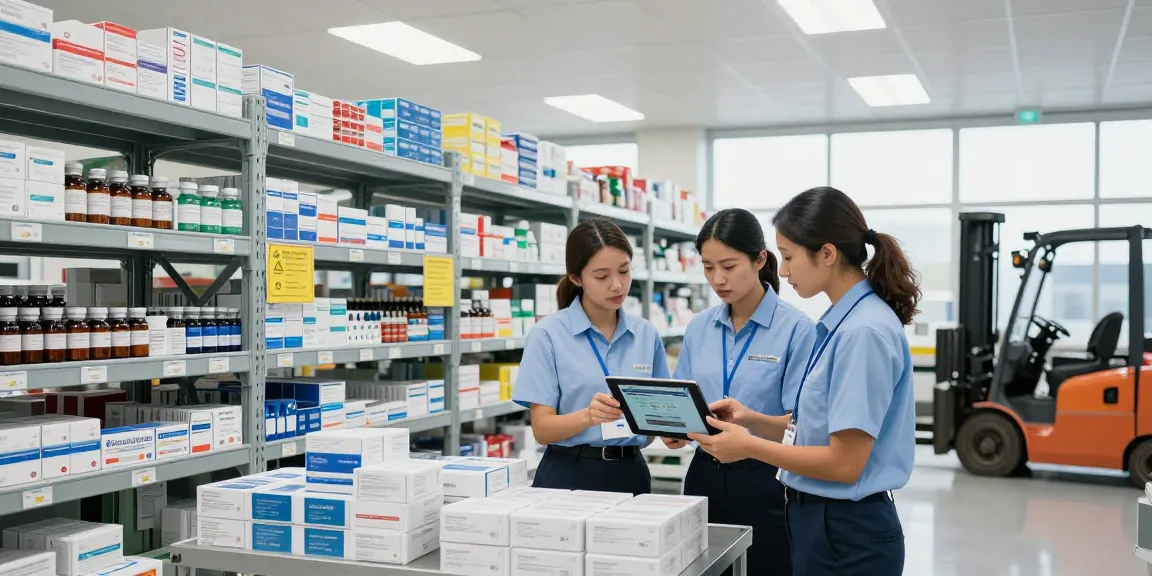
Understanding the Role of a Pharmaceutical Warehousing Company
In the complex landscape of the pharmaceutical industry, the role of a pharmaceutical warehousing company has become increasingly crucial. These specialized companies ensure that pharmaceuticals are stored, handled, and distributed under optimal conditions, maintaining the integrity and efficacy of various products. Their operations are not just limited to storage; they encompass a wide range of logistical functions that align with the stringent requirements of regulatory bodies, ensuring that pharmaceutical products are delivered safely and efficiently.
What Defines a Pharmaceutical Warehousing Company?
A pharmaceutical warehousing company is dedicated to the storage and management of pharmaceutical products. This includes not just medications but also raw materials and active pharmaceutical ingredients. These companies operate within strict regulatory frameworks that govern the storage conditions and handling procedures to prevent contamination or degradation of products. Essential characteristics of a pharmaceutical warehousing company include:
- Compliance with Regulatory Standards: They adhere to guidelines set by regulatory agencies such as the South African Health Products Regulatory Authority (SAHPRA) and international standards like Good Manufacturing Practices (GMP).
- Temperature and Humidity Controls: Many pharmaceuticals require specific storage conditions, and these companies are equipped to maintain the required environment, especially for temperature-sensitive products.
- Security Protocols: Given the high value and sensitivity of pharmaceutical products, these warehouses implement robust security measures to prevent theft, counterfeiting, and unauthorized access.
The Importance of Compliance in Pharmaceutical Warehousing
Compliance is a non-negotiable aspect of pharmaceutical warehousing. Companies must regularly undergo audits by regulatory bodies to ensure they meet the required standards for storage conditions, documentation, and handling procedures. Non-compliance can lead to severe penalties, including product recalls and loss of licenses. Moreover, maintaining compliance is critical for ensuring patient safety and the efficacy of pharmaceutical products.
Key Functions and Services of Pharmaceutical Warehousing
Pharmaceutical warehousing companies offer a range of services that facilitate the effective management of pharmaceutical products, including:
- Inventory Management: Efficient tracking and control of stock levels to prevent shortages and ensure timely replenishment.
- Packaging and Labeling: Properly packaging and labeling products to meet regulatory requirements and ensure accurate information for end-users.
- Distribution Services: Coordinating the transportation of pharmaceuticals to ensure timely delivery to pharmacies, hospitals, and clinics.
- Cold Chain Management: Specialized storage solutions for temperature-sensitive products, ensuring they remain within required temperature ranges throughout the supply chain.
Best Practices in Pharmaceutical Warehousing Operations
Implementing Good Manufacturing Practices (GMP)
To ensure the highest quality of pharmaceutical products, warehousing operations must strictly follow Good Manufacturing Practices (GMP). This includes adhering to comprehensive protocols related to cleanliness, equipment maintenance, and employee training. Regular training sessions for staff on GMP compliance are crucial in maintaining a culture of quality and safety.
Optimizing Inventory Management for Efficiency
Efficient inventory management is key to the operations of a pharmaceutical warehousing company. Implementing advanced inventory tracking systems, such as barcode scanning and RFID technology, can significantly reduce errors and enhance the speed of inventory turnover. Additionally, employing automated inventory management software can help in forecasting demand and managing stock levels effectively.
Strategies for Temperature-Controlled Storage Solutions
Temperature-sensitive pharmaceuticals, including vaccines and biologics, require specialized handling and storage. Companies should implement reliable temperature monitoring systems that provide real-time data and alerts for any deviations. Moreover, investing in energy-efficient refrigeration systems can reduce operational costs while ensuring compliance with storage regulations.
Challenges Faced by Pharmaceutical Warehousing Companies
Common Regulatory Compliance Issues
One of the biggest challenges for pharmaceutical warehousing companies is keeping up with the ever-evolving regulatory landscape. As regulations change, it is imperative for companies to continuously update their practices to remain compliant. This can require significant investments in training, systems upgrades, and sometimes infrastructure modifications.
Managing Supply Chain Disruptions
Supply chain disruptions can arise from various sources, including natural disasters, political instability, or pandemics. Pharmaceutical warehousing companies must develop resilient supply chain strategies that include alternative sourcing options and backup plans. Building strong relationships with transportation partners can also enhance flexibility in response to unforeseen disruptions.
Addressing Security and Theft Concerns
The high value of pharmaceuticals makes them a target for theft and counterfeiting. Implementing robust security measures, including surveillance systems, access controls, and staff training can mitigate these risks. Conducting regular security audits can also help identify potential vulnerabilities in the warehousing system.
Future Trends in Pharmaceutical Warehousing for 2026
The Impact of Technology on Warehousing Efficiency
As technology continues to advance, pharmaceutical warehousing companies are expected to embrace automation and artificial intelligence (AI) to streamline operations. Automated picking systems, AI-driven inventory management, and robotics for packing and sorting are becoming increasingly common. These technologies not only enhance efficiency but also reduce human error.
Emerging Trends in Cold Chain Logistics
The cold chain logistics market is expected to see significant growth as the demand for temperature-sensitive pharmaceuticals increases. Innovations such as IoT devices for temperature monitoring and real-time tracking systems are emerging to provide greater visibility and control over cold chain logistics.
Sustainability in Pharmaceutical Warehousing Practices
As the global focus on sustainability intensifies, pharmaceutical warehousing companies are being called to adopt greener practices. This includes optimizing energy consumption, reducing waste, and implementing eco-friendly packaging solutions. Sustainable practices not only contribute to environmental protection but can also lead to cost savings and improved brand reputation.
Case Studies and Real-World Examples
Successful Strategies from Leading Pharmaceutical Warehousing Companies
Numerous leading pharmaceutical warehousing companies have successfully implemented innovative strategies to enhance their operations. For example, Company X adopted AI technology for inventory management, resulting in a 30% increase in efficiency. Such case studies can provide valuable insights for other companies aiming to improve their warehousing practices.
Lessons Learned from Industry Challenges
Challenges in the pharmaceutical industry are not uncommon. Companies that faced significant compliance challenges often learned the importance of proactive training and investment in compliance management systems. These lessons highlight the necessity of being prepared for regulatory audits and adapting swiftly to changing requirements.
Innovative Solutions Implemented in the Sector
Innovation plays a crucial role in the evolution of pharmaceutical warehousing. Solutions such as advanced temperature-control technologies and smart warehouse systems have significantly improved inventory accuracy and product safety. By continuously exploring innovative solutions, companies can stay ahead of the competition and meet the demands of an evolving market.
What are the key functions of a pharmaceutical warehousing company?
The key functions of a pharmaceutical warehousing company include inventory management, temperature-controlled storage, packaging and labeling, and distribution services. These functions ensure that pharmaceutical products are stored safely and delivered efficiently to meet market demand.
How does temperature control affect pharmaceutical products?
Temperature control is critical for the integrity and effectiveness of many pharmaceutical products. Fluctuations in temperature can lead to degradation, affecting the efficacy and safety of medications. Thus, proper temperature regulation and monitoring are essential in pharmaceutical warehousing.
What regulations must pharmaceutical warehousing comply with?
Pharmaceutical warehousing must comply with regulations set by local and international health authorities, including SAHPRA and the FDA. These regulations encompass a broad range of operational aspects, including storage conditions, inventory management, and documentation practices.
How can technology improve warehousing operations?
Technology enhances warehousing operations through automation, real-time tracking, and data analytics. Utilizing technology can significantly reduce operational costs, increase efficiency, and improve inventory accuracy while ensuring compliance with regulatory standards.
What are the future trends in pharmaceutical warehousing?
Future trends in pharmaceutical warehousing include the adoption of automation and AI, advancements in cold chain logistics, and a growing emphasis on sustainability. These trends are poised to reshape how pharmaceutical companies manage their warehousing operations and meet consumer demands.