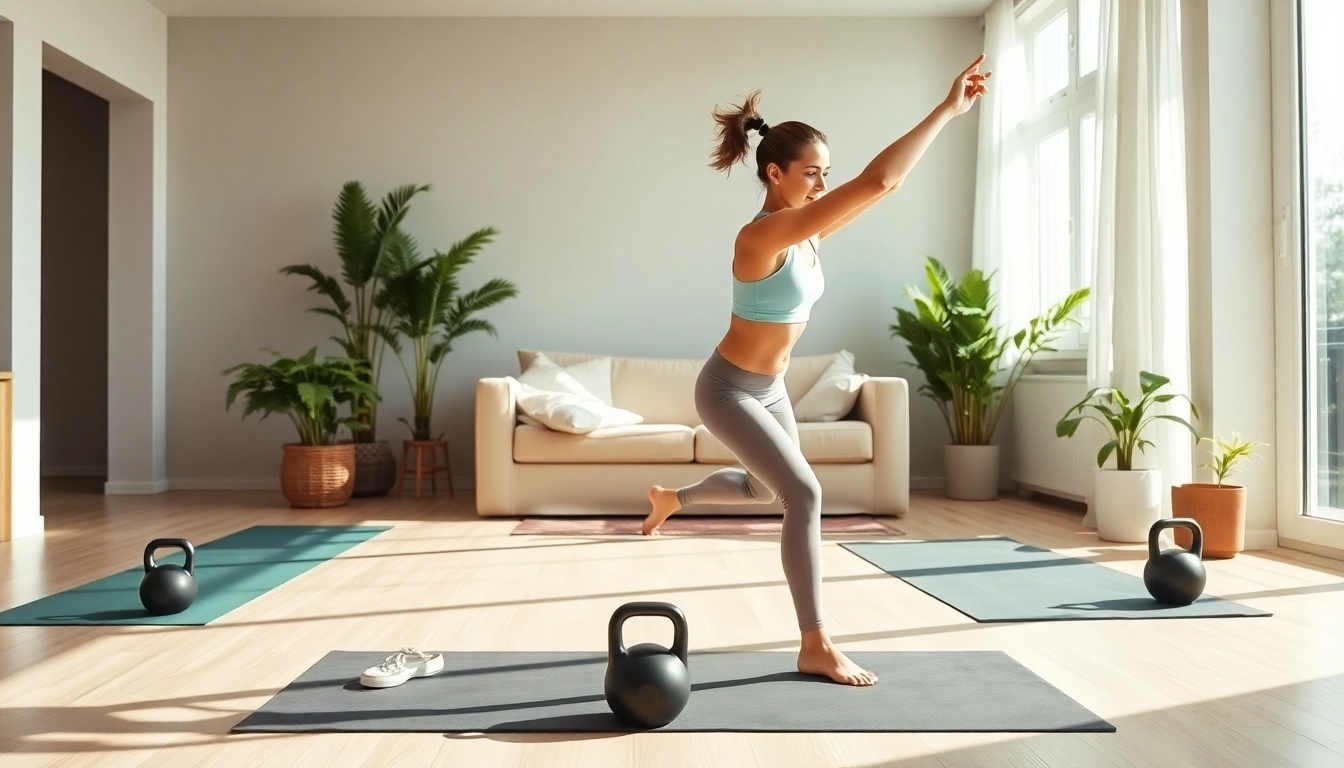
The Importance of Home Workout Plans
In today’s fast-paced world, many individuals struggle to find time to incorporate fitness into their daily routines. Home Workout Plans offer a flexible and efficient solution, allowing anyone to reach their fitness goals from the comfort of their own home. Understanding the significance of these plans is crucial for those who wish to improve their physical health without the constraints of traditional gym settings.
Benefits of Exercising at Home
Home workouts provide numerous advantages that appeal to a wide range of fitness enthusiasts:
- Convenience: One of the most appealing aspects is the ability to exercise without the need to travel. This eliminates gym commutes, making it easier to fit fitness into your schedule.
- Cost-Effective: Home workouts reduce costs associated with gym memberships, transportation, and workout apparel.
- Customization: Individuals can tailor their workout environment and routines to suit their preferences, which enhances the overall experience.
- Comfort and Privacy: Exercising at home allows individuals to feel more relaxed and focused, free from the judgment of others that can sometimes accompany gym settings.
- Diverse Options: With access to countless online resources, users can explore various workout styles, from yoga and Pilates to high-intensity interval training (HIIT).
Understanding Your Fitness Level
It’s essential to assess your current fitness level before embarking on any workout plan. This evaluation helps in selecting appropriate exercises and setting attainable goals. Consider factors such as:
- Your current physical fitness (stamina, strength, flexibility).
- Any past injuries or health concerns that may affect performance.
- Your familiarity with different exercise types (e.g., cardio, strength training).
Taking the time to evaluate your fitness level can prevent injuries and ensure that your workout journey starts on the right path.
Common Misconceptions about Home Workouts
Despite their growing popularity, several misconceptions surrounding home workouts persist:
- They are less effective: On the contrary, with the right exercises, home workouts can be highly effective. Many bodyweight and resistance exercises can yield results similar to gym workouts.
- You need a lot of space and equipment: While having some equipment can enhance your workout, many effective exercises require little to no space or gear.
- They are boring: With countless online resources, including videos and guided workouts, exercising at home can be varied and engaging.
- Only for beginners: Home workouts cater to all fitness levels, from beginners to advanced athletes, offering scalable challenges.
Creating a Personalized Home Workout Plan
A customized plan can enhance results and motivate an individual to stay consistent with their workouts. Here’s how to create a personalized home workout plan:
Setting Realistic Fitness Goals
Define what you want to achieve with your home workouts. Goals could range from weight loss and muscle building to improved flexibility or cardiovascular endurance. Use the SMART criteria:
- Specific: Clearly outline your goals (e.g., “I want to lose 10 pounds in three months”).
- Measurable: Establish metrics to track progress (e.g., workout frequency, weight lifted).
- Achievable: Set realistic goals based on your current fitness level.
- Relevant: Ensure that your goals align with your overall health aspirations.
- Time-bound: Set a deadline for each goal to maintain accountability.
Choosing the Right Exercises
Select exercises that align with your fitness goals. A balanced workout plan should incorporate:
- Cardio: Engage in activities like jumping jacks, running in place, or high knees.
- Strength Training: Utilize bodyweight exercises, such as squats, push-ups, and lunges, or incorporate dumbbells and resistance bands.
- Flexibility: Include stretching and yoga to enhance mobility.
- Core Workouts: Focus on strengthening your core with exercises like planks and bicycle crunches.
Designing a Weekly Schedule
Creating a structured schedule is vital to stay organized and ensure consistency. Consider factors such as:
- Balance your workouts across multiple days, allowing for recovery.
- Incorporate flexibility to address life’s unpredictable nature.
- Consistently assess progress and adjust the schedule as needed.
For instance, a beginner's weekly plan might include:
- Monday: 20 minutes of cardio (jumping jacks, jogging in place)
- Wednesday: Full-body strength training (squats, push-ups, lunges)
- Friday: Flexibility and core training (yoga, planks)
Essential Equipment for Home Workout Plans
While many exercises can be done without any equipment, having some basic items can greatly enhance your workouts. Here are essential considerations:
Minimal Equipment Options
Investing in minimal yet effective equipment can enhance the diversity and effectiveness of your workouts. Recommended items include:
- Dumbbells: Suitable for strength training, they can be adjusted to fit all levels.
- Resistance Bands: These are versatile tools for resistance training and stretching.
- Meditation Mat: Useful for floor exercises, yoga, and cooldown stretches.
Bodyweight Exercises
Bodyweight exercises are invaluable for anyone starting a home workout plan. They utilize your body's weight to build strength, flexibility, and endurance. Popular bodyweight exercises include:
- Push-ups
- Squats
- Lunges
- Burpees
- Planks
These can be adjusted by changing the angle or adding variations to increase intensity.
Budget-Friendly Alternatives
If budget is a concern, many exercises require no equipment at all. Options include:
- Jumping Jacks
- Mountain Climbers
- Bodyweight Squats
- High Knees
- Static Holds (such as wall sits)
Exploring fitness applications and streaming platforms can provide access to guided workouts without financial commitment.
Tracking Progress with Home Workout Plans
Tracking progress is a fundamental component of any fitness journey. Here are effective strategies to measure how far you've come:
Utilizing Fitness Apps
In the age of technology, numerous fitness applications are available to help track workouts, log food intake, and monitor goals. Many offer features like:
- Personalized workout plans
- Nutrition guidance
- Progress tracking graphs and reports
Popular apps can help maintain motivation and accountability while offering tailored fitness solutions.
Keeping a Workout Journal
Writing down your exercise routine in a journal provides tangible evidence of your progress. By documenting workouts, improvements can be easily tracked, helping to maintain motivation and focus.
Measuring Success Beyond the Scale
While weight is one form of measurement, true progress can also be gauged by:
- Increased strength (more weight/no. of reps)
- Enhanced endurance (increased duration of cardio workouts)
- Improved flexibility (greater range of motion)
Consider taking measurements or photographs to visually document changes over time.
Staying Motivated with Home Workout Plans
Maintaining motivation is key to sustaining a workout plan. Here are strategies to keep enthusiasm high:
Finding Your Workout Community
Connecting with like-minded individuals can offer accountability and encouragement. Seek out:
- Online forums and social media groups dedicated to fitness.
- Virtual workout challenges or online classes.
- Buddy systems with friends for accountability.
Setting Challenges and Rewards
Incorporating challenges can keep your regimen exciting and rewarding. Create friendly competitions or set personal benchmarks, rewarding yourself with non-food treats when milestones are met.
Adapting Plans for Continuous Improvement
Adaptability is crucial in fitness. Regularly evaluate your plan, introduce new exercises, and adjust the difficulty to ensure continuous progression. Change can invigorate routines and foster improvement.
Frequently Asked Questions
1. How do I start a home workout plan?
Begin by assessing your fitness level, setting clear goals, and designing a workout schedule that fits your lifestyle. Choose exercises that you enjoy and that challenge you.
2. Do I need equipment for home workouts?
No, you can perform many effective exercises with just your body weight. However, minimal equipment like dumbbells or resistance bands can enhance your workouts.
3. How often should I work out at home?
Aim for 3-5 workout sessions per week, depending on your fitness level and goals. Ensure you include a mix of cardio, strength, and flexibility training.
4. What if I have no space for workouts?
Many home exercises require minimal space. Focus on bodyweight movements and resistance bands that can be performed in small areas.
5. How can I stay motivated to work out at home?
Set specific goals, track progress, and vary your routines. Joining online communities or challenges can also provide support and accountability to stay motivated.