Understanding the Concept of Facial Age
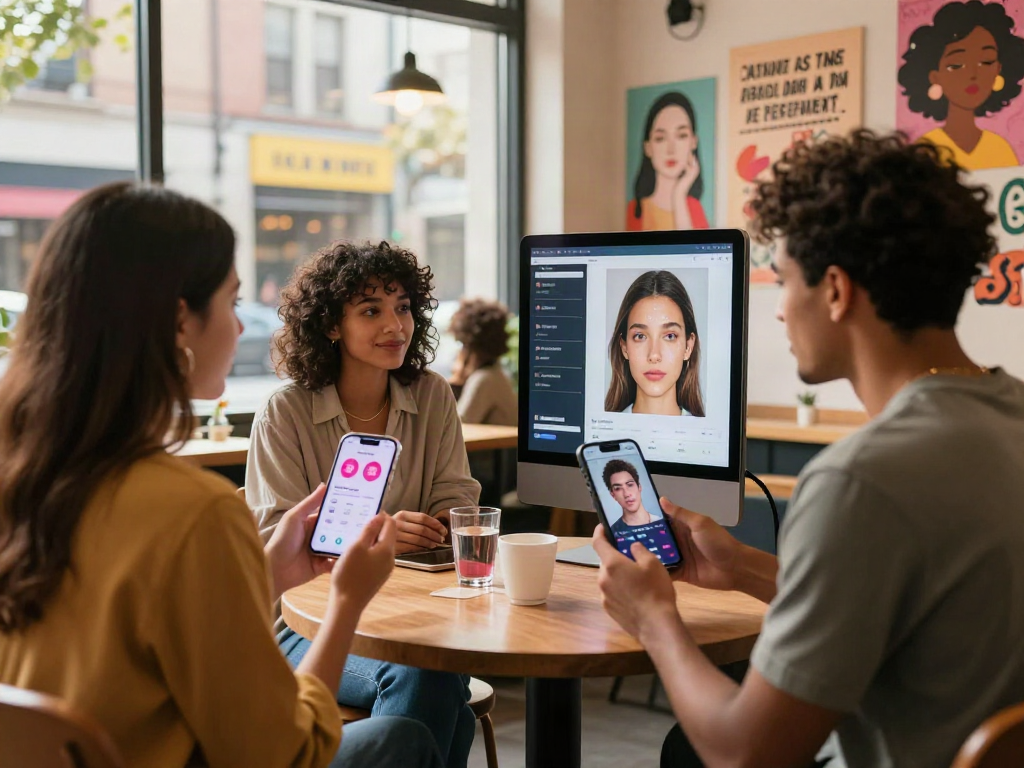
Facial age estimation has gained popularity in recent years, driven by advancements in technology and a growing curiosity about how we perceive ourselves and others. Many people have asked themselves, "how old do I look?" as they explore the interplay between age perception and physical appearance. This question not only reflects our desire for self-awareness but also invites inquiry into the broader concepts of aging, beauty, and societal expectations.
To delve deeper into this topic, it's essential to consider how facial recognition technology has become a cornerstone in age estimation, providing not just a number, but also insights into our skin health and overall appearance. This exploration can lead to a better understanding of the underlying factors that contribute to perceived age.
What Does 'How Old Do I Look' Mean?
The phrase "how old do I look?" is more than just a casual inquiry; it encapsulates a range of factors that influence societal perceptions of age. This assessment can stem from biological age, which is determined by our body's physical state, or perceived age, which is influenced by societal norms, individual self-perception, and cultural standards. It's a reflection of how we view ourselves and how we want to be viewed by others.
The Science Behind Age Estimation Technology
At the heart of age estimation technology lies sophisticated algorithms that analyze facial features to estimate age. These systems consider various elements, including skin texture, color, wrinkles, and other defining characteristics. The technology utilizes machine learning and artificial intelligence to improve accuracy and adapt to changes in individual features over time.
Factors Influencing Perceived Age
- Genetics: Our DNA plays a crucial role in determining how we age. Some individuals may exhibit signs of aging earlier or later due to hereditary factors.
- Lifestyle Choices: Factors such as diet, exercise, smoking, and sun exposure significantly impact the aging process and can influence perceived age.
- Skin Care: A dedicated skincare routine can help maintain youthful skin, thereby influencing how old one appears.
- Emotional Health: Stress and mental well-being can also affect our appearance; a healthier mindset often correlates with a more youthful look.
How AI Works in Age Estimation
Artificial intelligence is revolutionizing the way we approach age estimation. By harnessing large datasets and sophisticated algorithms, AI can provide personalized and often startlingly accurate assessments of one's perceived age. This technology is not only fun but also has practical applications in fields such as dermatology and cosmetic industries.
Overview of AI Algorithms Used
AI algorithms for age estimation typically include convolutional neural networks (CNNs) that excel in processing image data. These neural networks are trained on thousands of images, allowing them to recognize patterns and features associated with different age groups. Companies like FaceAge.ai and others utilize these advancements to create user-friendly applications that anyone can access.
Data Collection Methods for Age Training
For AI systems to deliver accurate results, they rely on extensive datasets that include diverse age groups, ethnicities, and skin types. These datasets are gathered from various sources, such as stock images, medical studies, and user-submitted photos. The diversity of data is crucial for developing algorithms that work universally across different populations.
Ethics and Privacy in Facial Recognition
As with any technology that processes personal data, ethical considerations regarding privacy must be addressed. Facial recognition and age estimation tools often require users to upload images, which raises concerns about data security and consent. It's essential for developers to implement robust privacy policies and ensure users understand how their data will be used.
Popular Age Estimation Tools Available Today
Numerous applications and websites provide users with the ability to estimate their age through facial analysis. When exploring options, how old do I look offers comprehensive insights by utilizing advanced algorithms and user-friendly interfaces.
An Overview of Leading Apps and Websites
Some of the leading tools in the age estimation sector include:
- FaceAge.ai: Known for its AI-powered face age estimator that delivers rapid results with a focus on user privacy.
- Fotor: This versatile platform offers a free online age guesser, allowing users to analyze their skin and facial features.
- BeautyPlus: A fun and interactive app that not only estimates age but also enhances photos.
Comparing Features and Accuracy
When evaluating different applications, consider the following features:
- User Interface: A straightforward and engaging interface can enhance user experience.
- Accuracy: Look for reviews and testimonials that highlight the reliability of age estimates.
- Privacy Standards: Ensure the application provides clear privacy guidelines on how user data is handled.
User Reviews and Experiences
Feedback from users can provide valuable insights into the effectiveness of age estimation tools. Many users express delight at the accuracy of results while others emphasize the fun aspect of testing different photos. However, it is essential to approach the results with an understanding that these tools are not definitive measures of one's biological age.
Understanding Your Results: What They Mean
Receiving your facial age estimate can prompt a range of emotions, from surprise to curiosity. Understanding what these results mean can help you gain insights into your appearance and how it aligns with your actual age.
Interpreting Age Estimation Results
The estimated age provided by these tools should be seen as a starting point for self-reflection. Remember, perceived age can differ significantly from actual age and is influenced by various external and internal factors.
Common Misconceptions About Age Perception
There are many myths surrounding age perception. For instance, people often believe that physical characteristics alone determine how old one looks. In reality, factors such as attitude and health can play a significant role in how others perceive our age.
Using Results for Personal Growth and Self-Reflection
Age estimation can serve as a catalyst for personal growth. Understanding how you are perceived can inspire changes in lifestyle or self-care routines to align more closely with your desired self-image.
Future Trends in Age Estimation Technologies
The field of age estimation is poised for exciting developments as technology continues to evolve. With advancements in AI and machine learning, future tools are likely to provide even more personalized and accurate results.
Innovations on the Horizon for 2026
As we look towards 2026, innovations may include better integration of genetic data and more sophisticated algorithms that account for lifestyle factors. These advancements could lead to a more holistic understanding of aging.
Impact of AI on Aging Perception and Self-Image
Artificial intelligence is shaping how we perceive aging. By providing insights into our appearance, these technologies can influence self-esteem and societal perceptions of aging.
Emerging Ethical Considerations in AI Age Estimation
As technologies advance, ethical implications will continue to emerge. The need for responsible AI practices that safeguard user privacy and ensure transparency in how data is used will be paramount.
What are the Most Common Misconceptions?
Many people harbor misconceptions regarding the reliability of age estimation tools. While they can offer insights, it's crucial to remember they are not definitive assessments and should not dictate one's self-worth or beauty.
Can Age Estimation Be Trusted for Medical Decisions?
While age estimation tools offer entertainment and self-reflection, they should not be relied upon for medical decisions. Professional medical assessments are required for accurate evaluations of health and aging.
How to Improve Your Perceived Age?
Several strategies can help improve your perceived age, such as adopting a healthy lifestyle, including regular exercise and a balanced diet, as well as maintaining a consistent skincare regimen. These steps can significantly influence how others perceive your age.
What Factors Contribute to Youthful Appearance?
Several factors contribute to a youthful appearance, including:
- Proper Hydration: Keeping the skin hydrated is essential for elasticity and overall health.
- Sun Protection: Consistent use of sunscreen can prevent premature aging.
- Nutrition: Consuming foods rich in antioxidants can combat the signs of aging.
Will Age Estimation Technologies Expand to Other Areas?
As AI continues to develop, it’s likely that age estimation technologies will branch out into other fields, such as virtual reality, gaming, and social media, where understanding user age can enhance interaction and engagement.