Understanding Attractiveness in Today's Context
Attractiveness plays a crucial role in our lives, influencing social interactions, professional opportunities, and even personal relationships. In an age where visual appearances are constantly scrutinized and idealized, understanding how attractiveness is perceived can provide valuable insights into self-image and societal norms. The question of how to effectively test attractiveness goes beyond superficial evaluations to delve into the science and psychology behind beauty standards. This article explores various facets of attractiveness, the tools available for testing it, and how these evaluations can impact self-perception and social dynamics.
The Science Behind Facial Symmetry and Beauty
Facial symmetry is often considered a key component of beauty across cultures. Studies in psychology and biology suggest that symmetrical faces are generally perceived as more attractive. The reason for this may be rooted in evolutionary biology; symmetrical features can indicate good health and genetic fitness, which are desirable traits for potential mates. Research shows that people consistently rate symmetrical faces higher on attractiveness scales, leading to the development of various tests and tools designed to quantify this trait.
Furthermore, the Golden Ratio—a mathematical ratio approximately equal to 1.618—has been historically associated with aesthetically pleasing compositions in art and architecture. Many researchers have applied this principle to facial features, positing that faces which adhere to the Golden Ratio are often perceived as more attractive. However, these notions are continually evolving, and what is deemed attractive can shift significantly based on cultural trends and personal preferences.
Evolution of Beauty Standards in 2026
Beauty standards are not static; they evolve with societal changes, technological advancements, and cultural shifts. As we move through 2026, there is a marked trend toward inclusivity, diversity, and authenticity in perceptions of beauty. Rather than adhering strictly to traditional beauty norms, the 2026 landscape embraces a broader definition that includes various body types, ethnicities, and ages. This shift is reflected across social media platforms, advertising, and popular culture, which are increasingly celebrating unique and unconventional forms of beauty.
Moreover, the rise of digital influencers and the proliferation of realistic avatars in virtual environments are reshaping our understanding of attractiveness. These changes signify a move away from conventional standards, placing greater importance on personality, confidence, and individual expression.
Factors Influencing Perceived Attractiveness
Attractiveness is influenced by a multitude of factors, including but not limited to physical appearance, social behavior, and psychological traits. Here are some key aspects:
- Physical Appearance: Factors like grooming, style, and fitness play vital roles in how individuals perceive each other.
- Social Behavior: Confidence, kindness, and charisma can enhance attractiveness significantly. People often find others more appealing when they exhibit positive social behaviors.
- Cultural Influences: Different cultures have unique beauty ideals, which affect how attractiveness is perceived globally.
- Contextual Factors: The setting in which individuals meet can also impact perceptions, such as the difference between a casual setting and a professional environment.
Effective Methods to Test Attractiveness
With advances in technology, several methods have emerged to quantify physical attractiveness, ranging from AI-based tools to subjective evaluation systems. These methods can provide insights into how one might be perceived in various social scenarios.
Using AI Tools for Accurate Assessment
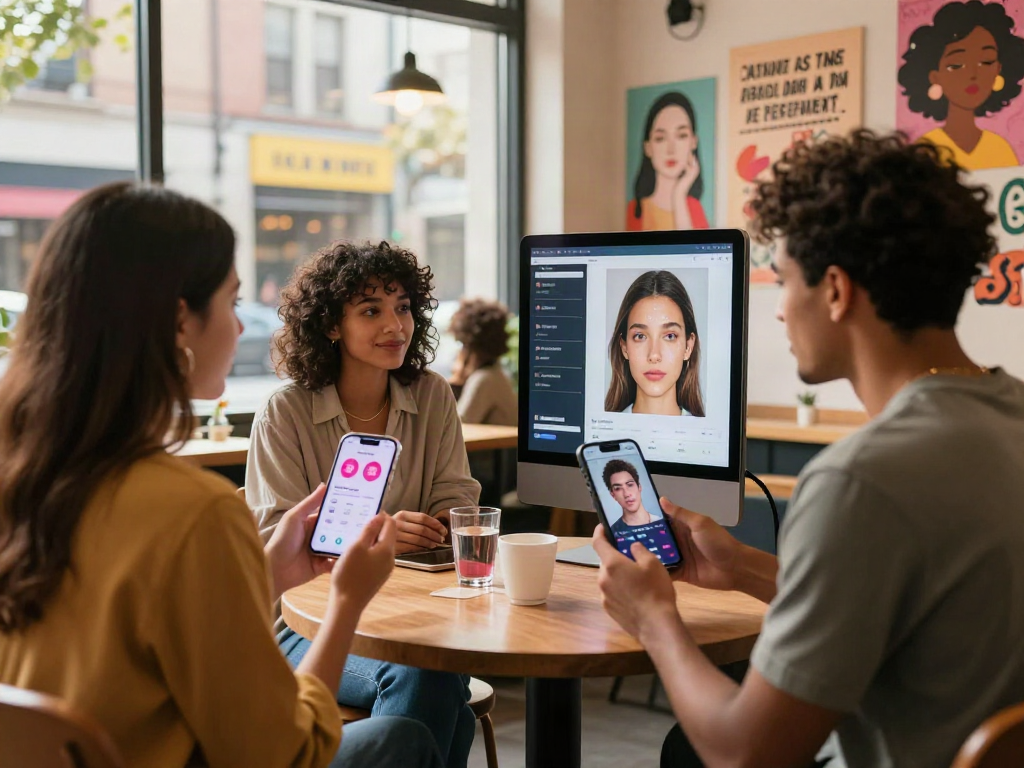
AI-powered tools are increasingly popular for testing attractiveness, allowing users to upload photos and receive an analysis based on algorithms that assess features like facial symmetry, proportion, and general aesthetics. These tools leverage machine learning to evaluate faces against vast databases of images rated for attractiveness, providing users with a score that reflects current beauty standards.
For instance, platforms such as Attractiveness Tester offer comprehensive evaluations based on multiple criteria, including symmetry, facial ratio, and cultural beauty markers. Users can gain insights into how they measure against perceived standards, which can be empowering and enlightening.
Comparison of Popular Attractiveness Tests
Several online platforms offer attractiveness tests, each with unique methodologies and evaluation criteria. Here’s a comparative overview:
- Maxxing: Utilizes AI to provide an attractiveness score based on various facial features, allowing users to gauge their appeal.
- FaceWow: Offers a detailed report highlighting not only attractiveness scores but also areas for potential improvement.
- PFPMaker: Focuses heavily on facial symmetry and provides visual feedback to users, offering tips for enhancing their appearance.
Step-by-Step Guide to Uploading and Analyzing Photos
Engaging with an online attractiveness test typically involves a straightforward process:
- Choose a Reliable Platform: Select a platform that meets your needs. Ensure it uses reputable technology and has good user reviews.
- Upload a Clear Photo: Use a high-quality photo where your face is clearly visible. Poor lighting or blurriness can affect the analysis.
- Follow Instructions: Each platform will provide guidelines on how to upload your image and what to expect from the analysis.
- Review Results: Once analyzed, take the time to review your score and understand the feedback provided. Most platforms will detail what elements influenced your score.
Common Misconceptions About Attractiveness Tests
Despite the popularity of attractiveness tests, several misconceptions persist that can mislead users about their purpose and accuracy.
Myths versus Facts in Attractiveness Evaluation
One common myth is that attractiveness tests can provide definitive, unchangeable scores that dictate an individual’s worth. In reality, scores are often fluid and can change based on various factors, including mood, context, and grooming.
Another misconception is that these tests solely measure beauty. Many tests also account for personality traits and social skills, emphasizing that attractiveness is multi-dimensional.
Understanding Attractiveness Scores: What They Mean
Attractiveness scores can be confusing. Typically, they are presented on a scale (for example, 1 to 10 or 0 to 100). However, it is crucial to understand that these scores are more reflective of societal norms than personal value. A score may simply indicate how closely one’s features align with popular beauty ideals, rather than an absolute measure of beauty.
Importance of Context in Attractiveness Judgments
Context plays a significant role in attractiveness judgments. For example, someone might score lower in a formal evaluation but be viewed as exceptionally attractive in a relaxed social setting. Beauty is not just about looks; it’s also about personality, circumstances, and even cultural background. Personal experiences and social interactions greatly influence how attractiveness is perceived.
Practical Tips for Enhancing Personal Attractiveness
While genetic factors may define some aspects of attractiveness, several practical steps can enhance personal appeal. Here are some actionable tips:
Skincare and Grooming Best Practices
Maintaining a proper skincare routine can have a transformative effect on one’s appearance. Here are some essential tips:
- Hydration: Drink plenty of water to keep your skin clear and hydrated.
- Regular Cleansing: Cleanse your face day and night to remove dirt and oil.
- Moisturizing: Use a moisturizer suitable for your skin type to enhance your complexion.
- Sun Protection: Apply sunscreen daily to prevent sun damage and premature aging.
Fashion Choices That Improve Attractiveness Scores
Your choice of clothing can dramatically affect how others perceive you. Consider the following:
- Dress for Your Body Type: Choose clothing that highlights your best features and is comfortable to wear.
- Color Coordination: Wear colors that complement your skin tone; this can greatly enhance your overall look.
- Grooming: Invest in regular haircuts and styles that suit your face shape.
Building Confidence Through Self-Acceptance
True attraction often stems from confidence. To build self-acceptance:
- Practice Self-Compassion: Treat yourself with kindness and understand that everyone has flaws.
- Focus on Strengths: Identify and embrace your unique traits and abilities.
- Surround Yourself with Positivity: Engage with those who uplift you and support a healthy self-image.
Future Trends in Attractiveness Testing and Self-Perception
The landscape of attractiveness testing is likely to evolve significantly over the coming years. Several trends are beginning to emerge that are worth noting.
The Role of Social Media Influencers in Beauty Norms
Social media influencers have a powerful impact on beauty standards. As they share their journeys and promote authentic self-expression, they can challenge traditional notions of attractiveness, paving the way for a more inclusive understanding.
Technological Innovations in Facial Analysis Tools
Advancements in AI and machine learning are continually enhancing facial analysis tools. Future technologies may provide even more personalized evaluations, taking into account emotional expression and personality traits along with physical features.
Predictions for Beauty Standards in 2030
By 2030, it's likely that beauty standards will continue to diversify. A greater emphasis on self-expression, individuality, and inner beauty will likely shape how society defines attractiveness. Looking forward, the evolution of beauty will also be closely aligned with cultural movements promoting sustainability and authenticity.
How Can I Test My Attractiveness?
To effectively test your attractiveness, you can utilize various online tools and platforms that provide an AI-powered facial analysis. Each platform may have its unique approach, but most will allow you to upload a photo for evaluation against common beauty parameters.
Is 7 Out of 10 Considered Attractive?
In many contexts, a score of 7 out of 10 is generally seen as attractive. However, attractiveness can be highly subjective, and what appeals to one person may not resonate with another.
Is There an Accurate Attractiveness Test?
While many attractiveness tests claim to provide accurate assessments, they should be approached critically. Tests that utilize advanced AI algorithms and comprehensive databases tend to offer more reliable results than those based on superficial criteria.
Is a 6.5 Out of 10 Attractive?
A score of 6.5 can be considered attractive, depending on personal and cultural standards. Remember, attractiveness is multi-dimensional and extends beyond mere numbers.