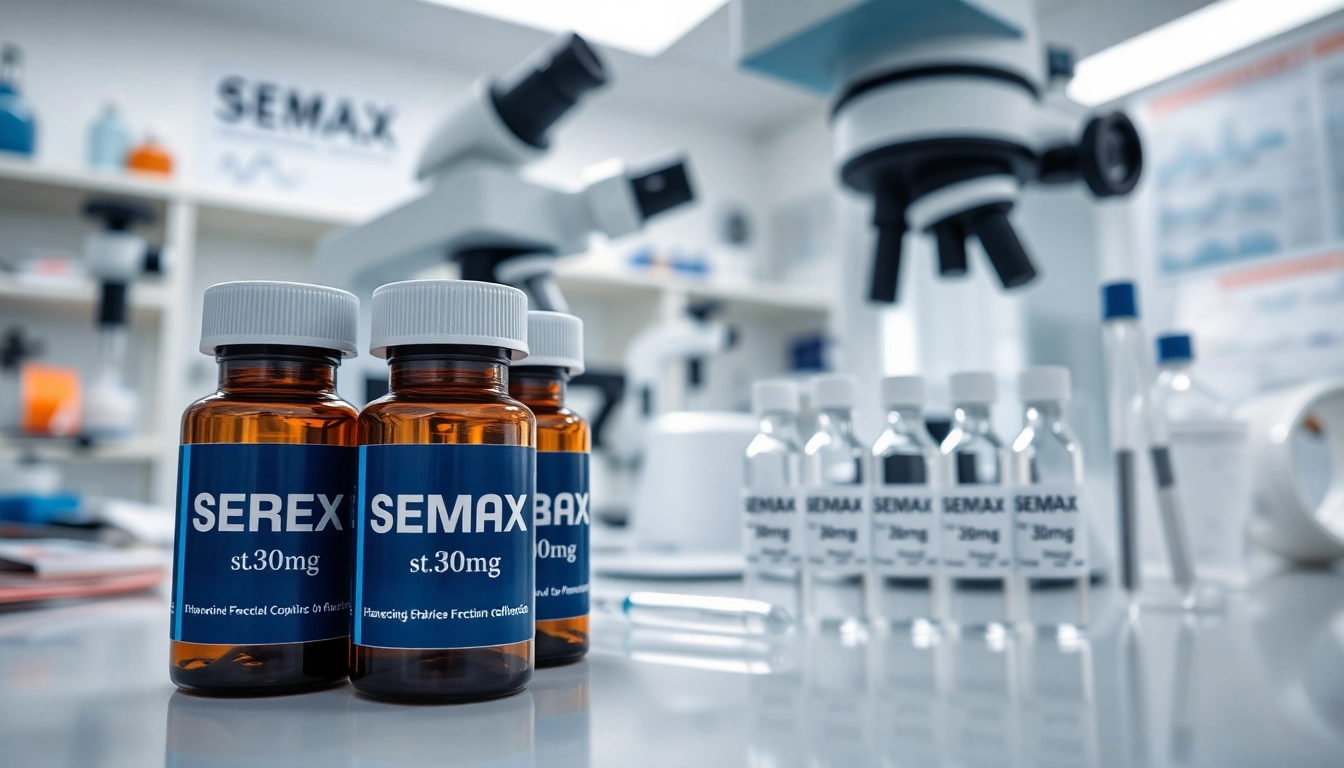
Introduction to Research Peptides
What are Research Peptides?
Research peptides are short chains of amino acids that play crucial roles in cellular communication and biological regulation. These peptides are not just mere fragments of proteins; they serve as signaling molecules triggering various biological processes, including hormone secretion, immune responses, and even cognitive functions. With advancements in biotechnology, researchers have increasingly focused on these compounds, exploring their potential in diverse applications, from medical treatments to performance enhancement.
Common Types of Research Peptides
There are numerous types of research peptides utilized in scientific studies. Some of the most common categories include:
- Neuropeptides: These peptides are involved in the regulation of neuronal activity and have significant roles in modulating pain, stress responses, and emotions.
- Hormonal Peptides: These peptides, such as insulin or growth hormone-releasing peptides, are crucial for regulating various physiological processes.
- Cognitive Enhancers: Peptides like semax play a vital role in cognitive enhancement and neuroprotection.
- Antimicrobial Peptides: These peptides possess the ability to kill or inhibit the growth of bacteria, fungi, and even viruses.
Importance of Research in Pharmacology
As pharmaceutical science continues to evolve, the necessity for meticulous research on peptides has never been more evident. These studies pave the way for the development of new therapeutic agents with fewer side effects, higher efficacy, and tailored applications to meet individual patient needs. Understanding how peptides function biologically opens doors for innovative drug development, benefiting a range of applications from treating chronic diseases to cognitive enhancement. Research into peptides like semax 30mg is central to this evolution in pharmacological research.
The Science Behind Semax 30mg
Mechanism of Action
Semax 30mg primarily acts as a neuroprotective agent and cognitive enhancer by influencing specific signaling pathways in the brain. It enhances the expression of neurotrophic factors like Brain-Derived Neurotrophic Factor (BDNF), significantly crucial for neuron survival and growth. Furthermore, semax modulates the release of neurotransmitters, thus having a positive impact on cognitive functions such as memory, learning, and focus. Clinical studies have illustrated that semax can potentially improve cognitive deficits caused by various conditions, making it a valuable subject of ongoing research.
Effectiveness in Cognitive Enhancement
The potential of semax 30mg as a cognitive enhancer has been the focal point of numerous studies. Research indicates that semax can improve memory retrieval and bolster attention in both healthy subjects and those with cognitive impairments. Notably, patients suffering from conditions like post-stroke cognitive impairment and age-related cognitive decline have shown significant therapeutic responses to semax administration. The peptide not only helps in ameliorating cognitive deficits but also enhances overall mental performance, indicating its potential as a "smart drug" in both clinical settings and research studies.
Comparative Studies with Other Peptides
In direct comparisons with other cognitive-enhancing peptides, semax has demonstrated unique advantages. For instance, while other peptides may focus on modulating neurotransmitter levels, semax promotes neurogenesis, supporting the growth and survival of brain neurons. Studies have shown that, unlike traditional stimulants, semax enhances cognitive functions without the accompanying anxiety or jitteriness, making it a promising alternative. This comparative advantage highlights semax's potential not only in reducing cognitive decline but also in fostering brain health.
Applications of Semax 30mg in Clinical Settings
Use Cases for Cognitive Impairment
The therapeutic applications of semax extend significantly within clinical settings, particularly concerning cognitive impairments. Conditions such as ADHD, traumatic brain injury, and Alzheimer’s disease represent areas where semax shows promise. Through various clinical trials, researchers have observed improvements in attention span, memory retention, and executive function. Its adaptability as a treatment option enables healthcare professionals to tailor interventions specific to the needs of their patients, promoting better health outcomes.
Potential Benefits in Neuroprotection
One of the standout features of semax 30mg is its neuroprotective capacity. Given its ability to modulate neurotrophic factors and enhance synaptic plasticity, semax is investigated for its role in preventing neurodegenerative diseases. Preliminary findings indicate that semax may protect against oxidative stress and excitotoxicity, processes known to contribute to neuronal damage. It holds promise not only for treatment but also for preventive strategies in maintaining cognitive health, which could be vital as populations age globally.
Dosage Guidelines for Research
Addressing appropriate dosing is fundamental in peptide research. Current guidelines suggest that semax 30mg can be administered in varying doses depending on participant characteristics and study objectives. While dosages typically range between 300-600 mcg per day, researchers emphasize the importance of individualized dosing in clinical applications. It is crucial, however, for researchers to adhere to systematic protocols to evaluate the efficacy and safety profile of semax comprehensively.
Best Practices for Researching Semax 30mg
Setting Up Controlled Studies
To adequately assess the effects of semax 30mg, it’s essential to organize controlled studies that minimize bias and enhance reliability. Randomized controlled trials (RCTs) serve as the gold standard, allowing researchers to compare outcomes comprehensively. Preparation encompasses defining clear inclusion and exclusion criteria, ensuring a diverse participant pool to improve generalizability, and employing effective control measures. By utilizing placebo groups and blinding techniques where possible, the integrity of data is substantially fortified.
Measuring Effectiveness and Outcomes
Effective measurement of outcomes in semax research necessitates various assessments including cognitive tests, functional MRI scans, and other neuropsychological evaluations. These metrics enable researchers to quantify cognitive performance, neuroplastic changes, and other clinical parameters effectively. Moreover, sophisticated analytical techniques can refine results, allowing for a deeper understanding of semax's impact on mental functions and its broader implications for treatment strategies.
Ethical Considerations in Peptide Research
As with any clinical research, ethical considerations play an indispensable role in studies involving semax 30mg. Informed consent, participant welfare, and adherence to regulatory guidelines are core to ethical research. Researchers must navigate the complexities of consent, especially in populations such as children or individuals with cognitive impairments, where capacity may vary. It is vital to ensure transparency and prioritization of participants' rights and safety throughout the study duration.
Future Directions in Peptide Research
Technological Advances in Research Methods
The future of peptide research hinges on innovative technological advances such as high-throughput screening methods, AI-driven data analysis, and advanced delivery mechanisms. These developments are set to revolutionize how peptides like semax are studied, allowing for rapid identification of effective formulations and enhanced comprehension of their mechanisms. Optimizing these technologies could lead to new therapeutic discoveries that address current gaps in treatment and understanding.
Expanding Applications Beyond Cognition
While semax is primarily recognized for its cognitive benefits, potential applications extend beyond the brain. Researchers are now exploring its effects on mood regulation, metabolic disorders, and even physical performance. As studies reveal the multifaceted nature of peptides, semax might inspire new modalities and interventions in clinical practice across diverse fields, pushing the boundaries of current therapeutic paradigms.
Collaboration in the Research Community
Future advancements in peptide research heavily rely on collaboration among academic institutions, private sectors, and governmental organizations. Sharing knowledge, resources, and findings enhances the research landscape, paving the way for innovative treatments and effective applications of peptides like semax. Interdisciplinary partnerships can accelerate discovery and ensure that new findings are translated efficiently into clinical practice.
FAQs
What is semax 30mg used for?
Semax 30mg is primarily researched for its potential cognitive enhancement and neuroprotective effects in various conditions.
How is semax 30mg administered?
It is typically administered through a nasal spray or injection, depending on the study's design and objectives.
Are there any side effects of semax 30mg?
Research indicates minimal side effects, but users should consult healthcare professionals before use to discuss concerns.
How long does it take for semax 30mg to work?
Effects may vary; some users report improvement within a few hours, while others may experience longer-term benefits that take weeks.
Is semax 30mg safe for all users?
Safety varies by individual; conducting thorough research and consulting healthcare providers is essential prior to use.